


Rapid Response Water Damage Repair

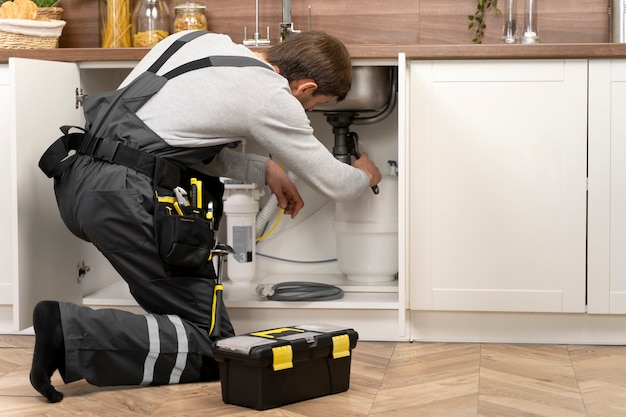
Water damage is a common yet critical issue that can impact homes and businesses at any time, often when least expected. Rapid response is essential to mitigate further damage and minimize costly repairs. Understanding the fundamentals of water damage repair ensures you are prepared to tackle any water-related crisis swiftly and effectively. This article delves into the steps and considerations of rapid response water damage repair, ensuring that spaces are restored with precision and expertise.
Understanding Water Damage
Water damage can originate from various sources, including natural disasters, plumbing failures, and structural leaks. Recognizing the type and extent of damage is crucial in determining the appropriate response and repair strategy.
- Category 1: Clean water from broken pipes or rainwater.
- Category 2: Grey water from appliances like dishwashers or washing machines.
- Category 3: Black water from sewage or floodwaters, posing health risks.
Each category requires different handling and repair approaches to ensure safety and effectiveness. For further insights into these categories and their specific challenges, discover expert strategies here.
Immediate Steps for Water Damage Repair
Swift action is vital when addressing water damage. Initial steps can greatly influence the overall outcome and efficiency of restoration efforts.
- Assess the Situation: Evaluate the source and extent of the water damage. Identify whether it is safe to remain in the building.
- Stop the Water Source: If possible, turn off the main water supply or fix the leak to prevent further damage.
- Remove Excess Water: Use pumps and vacuums to extract standing water. Speed is key to preventing mold growth.
- Dry Affected Areas: Utilize dehumidifiers and fans to thoroughly dry the area. Mold can begin to grow within 24 to 48 hours if the area remains damp.
For a comprehensive guide on executing these steps efficiently, explore advanced guides and tips.
Choosing the Right Repair Solutions
Once the immediate threats are under control, attention can shift to repair and restoration. Selecting the right solutions is critical to restoring the property to its pre-damage condition.
Structural Repairs
Water can compromise the integrity of walls, floors, and ceilings. Structural repairs should focus on:
- Replacing damaged drywall and insulation.
- Repairing or replacing flooring materials like hardwood, carpet, or tiles.
- Ensuring the foundation and support beams are intact and safe.
Preventative Measures
To avert future water damage, consider implementing preventative solutions:
- Install water alarms and automatic shut-off valves.
- Regularly inspect plumbing and roofing for signs of wear and tear.
- Ensure proper drainage around the building foundation.
For tailored solutions that fit specific needs, learn about our tailored solutions.
Partnering with Professionals
While some water damage repairs can be managed independently, professional intervention often offers the expertise and equipment necessary for comprehensive restoration. Trained professionals can assess hidden damages, such as mold or structural weaknesses, that may not be immediately visible.
Collaborating with experts provides peace of mind, knowing that all aspects of the damage are addressed thoroughly and efficiently. Find out more about this approach and how it can safeguard your property against future incidents.
In conclusion, rapid response to water damage is essential in preventing extensive damage and ensuring a swift, effective recovery. Understanding the types of water damage, implementing immediate repair steps, and selecting the right long-term solutions are vital components of a successful restoration strategy. By partnering with professionals, property owners can ensure that their spaces are restored with precision and care.

What do you think?
Show comments / Leave a comment