


Top 5 Differences Between Lotion and Body Butter for Skincare

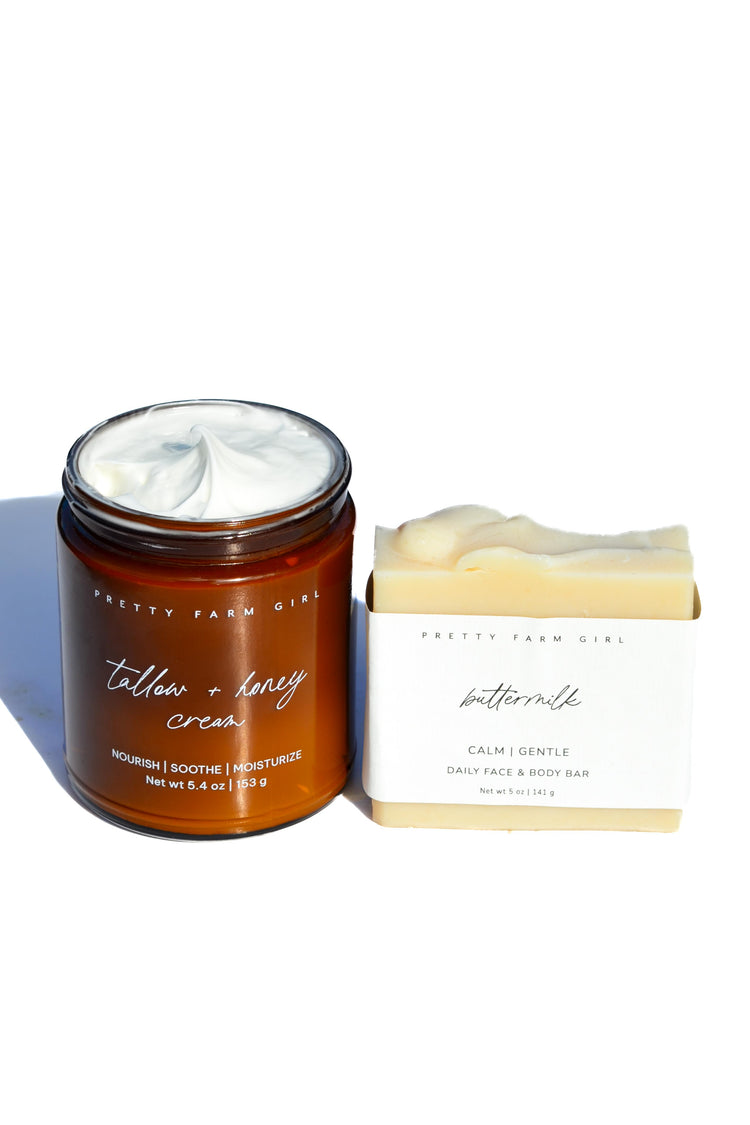
When it comes to skincare, choosing the right product can significantly impact the health and appearance of your skin. Two popular options that often come up in the quest for smooth, hydrated skin are lotion and body butter. While they may seem similar at first glance, these two products have distinct differences that cater to varying skincare needs. Understanding these differences can help you make an informed decision about which product is best for your skin type and lifestyle.
1. Texture and Consistency
The primary difference between lotion and body butter lies in their texture and consistency, which affects how they feel on the skin.
- Lotion: Typically lighter and less greasy, lotions are often water-based, making them easy to spread and quick to absorb into the skin. This makes them suitable for everyday use, especially for those who prefer a non-greasy finish. Lotion body butter formulations often include added benefits like probiotics for enhanced skincare.
- Body Butter: Known for its thick, creamy texture, body butter is richer and more emollient. It contains a higher concentration of oils and butters, such as shea or cocoa butter, providing deep hydration and a protective barrier on the skin. This makes it ideal for dry, rough areas that need intensive moisture.
2. Ingredients and Composition
The ingredients in lotions and body butters contribute to their differences in performance and suitability for various skin types.
- Lotion Ingredients: Often consist of a higher percentage of water, along with lightweight oils and humectants like glycerin. This balance allows lotions to hydrate without feeling heavy.
- Body Butter Ingredients: Focuses on natural butters and oils, such as shea butter, cocoa butter, and coconut oil. These ingredients are known for their ability to deeply nourish and lock in moisture.
3. Moisturizing Effectiveness
The effectiveness of lotions and body butters in moisturizing the skin depends on their formulation and the skin’s specific needs.
- Lotion: Provides a lighter moisturizing effect, making it suitable for normal to slightly dry skin or during warmer months when heavy moisturization isn’t required.
- Body Butter: Offers intense hydration and is especially effective for very dry skin, cracked heels, or elbows. Its thick consistency is perfect for use in colder climates or during winter months when the skin loses moisture more rapidly.
4. Application and Usage
How lotion and body butter are applied and used can also differ based on their textures and intended benefits.
- Lotion Application: Easy to apply and quickly absorbed, making it convenient for use after showers or at any time during the day without waiting for it to dry.
- Body Butter Application: Best applied after a shower when the skin is still slightly damp, allowing the rich formula to seal in moisture. Due to its heavier texture, it may require more time to massage into the skin.
5. Targeted Skin Concerns
Both products can address different skin concerns, depending on their formulation and active ingredients.
- Lotion: With its lighter formula, lotion is often formulated with additional active ingredients like vitamins and antioxidants to target concerns such as aging or uneven skin tone.
- Body Butter: Primarily aimed at providing deep nourishment and repair, body butters are excellent for treating extreme dryness, eczema, or psoriasis.
In conclusion, both lotion and body butter have their unique benefits suited to different skin types and preferences. While lotions are perfect for everyday hydration with a lightweight feel, body butters provide the intensive care that dry or damaged skin often requires. For those looking to explore these skincare options further, the lotion body butter collection offers a variety of formulations to suit individual needs. Whether for daily use or targeted care, understanding these differences ensures that the choice made complements the skin’s specific needs effectively.

What do you think?
Show comments / Leave a comment