


Discover Fine Art Paintings by Professional Artists

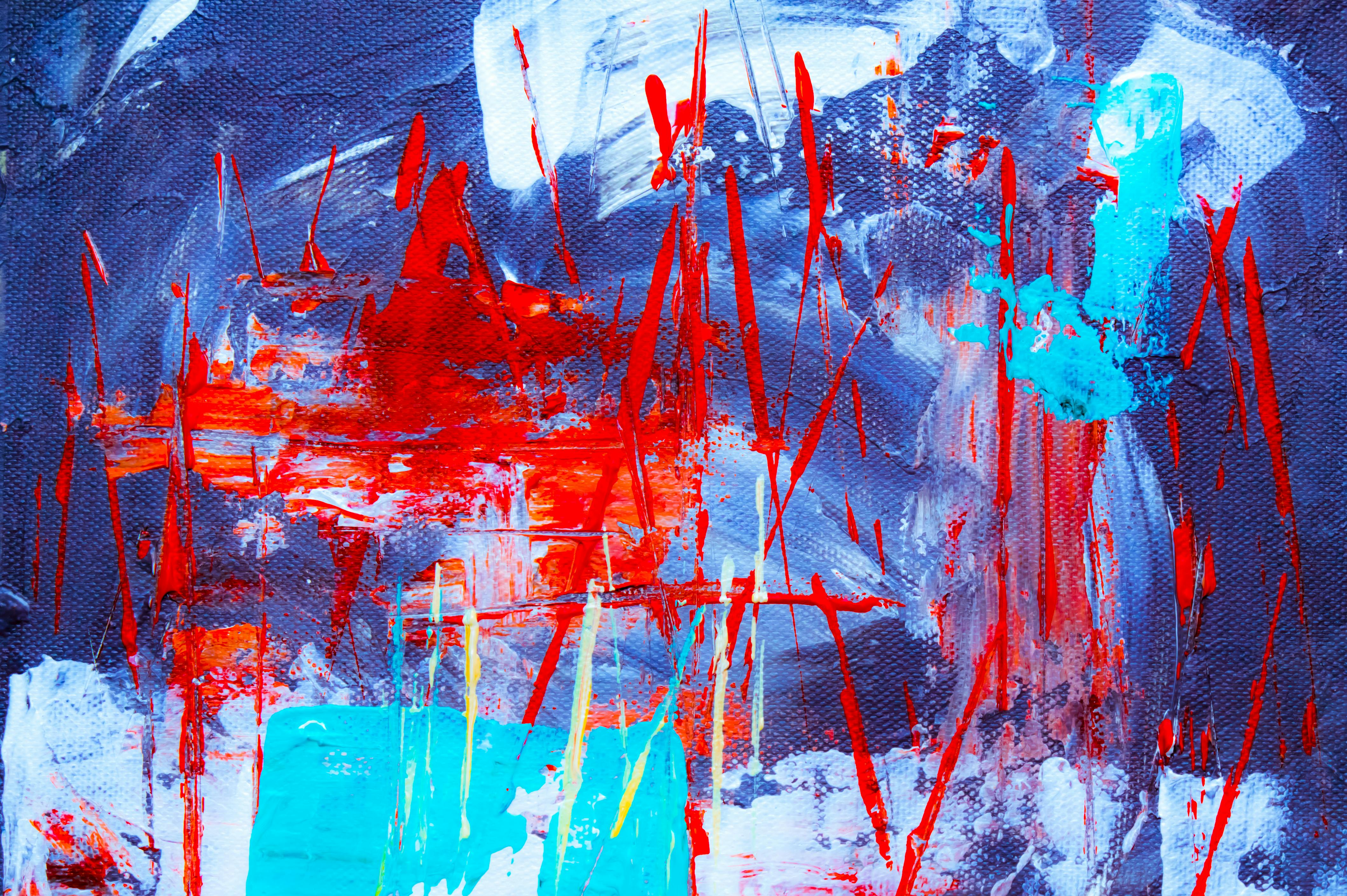
The world of fine art is a vibrant tapestry woven from the creativity and skill of professional artists. It encompasses a wide range of styles, techniques, and mediums, each telling a unique story. Whether you are an art enthusiast or a collector, exploring fine art paintings offers an enriching experience that can elevate both personal and professional spaces. The journey into this realm requires an understanding of various artistic movements, the nuances of different techniques, and an appreciation for the artistic process itself. This article delves into the essentials that define fine art paintings, crafted by professionals who have honed their craft to perfection.
Understanding Fine Art Paintings
Fine art paintings are distinguished by their aesthetic value and the skill involved in their creation. These works of art often serve to communicate profound messages or evoke emotional responses from viewers. Understanding the components that contribute to the value and impact of fine art is essential for both appreciation and collection.
Key Elements of Fine Art
- Composition: The arrangement of elements within a painting creates balance and harmony.
- Color: The use of color can convey mood, depth, and meaning.
- Technique: Mastery of technique is evident in brushwork, texture, and medium manipulation.
- Theme: The subject matter or concept behind the artwork provides deeper insight.
For those looking to delve deeper into these elements, discover expert strategies here.
Styles and Movements in Fine Art
The diversity of styles and movements in fine art is a testament to the evolution of artistic expression through the ages. From classical realism to contemporary abstraction, each movement offers a unique lens through which to view the world.
Popular Art Movements
- Impressionism: Captures the essence of a scene through light and color.
- Expressionism: Focuses on emotional experience rather than physical reality.
- Cubism: Breaks subjects into geometric shapes and reassembles them in abstract form.
- Surrealism: Explores the subconscious and dream-like imagery.
To learn more about these movements, explore advanced guides and tips.
The Role of Professional Artists
Professional artists dedicate years to perfecting their craft, often specializing in particular styles or techniques. Their work not only enhances cultural heritage but also contributes to the discourse on social, political, and personal issues.
Qualities of a Professional Artist
- Technical Skill: A high level of proficiency in chosen mediums and techniques.
- Creativity: The ability to innovate and express unique perspectives.
- Dedication: Commitment to continuous learning and artistic development.
- Vision: A clear sense of artistic direction and purpose.
For insights into the journey of professional artists, find out more about this approach.
Acquiring Fine Art Paintings
Collecting fine art paintings is both a passion and an investment. It involves understanding market trends, artist reputations, and the value of artistic authenticity. Here are some considerations for prospective collectors.
- Research: Understand the artist’s background and the historical context of the art.
- Authenticity: Verify the provenance and authenticity of artworks.
- Condition: Assess the physical condition and longevity of the painting.
- Investment Value: Consider the potential appreciation and market demand.
For those interested in beginning or expanding their collection, learn about our tailored solutions.

What do you think?
Show comments / Leave a comment