


Smooth Facility Transitions with Experts

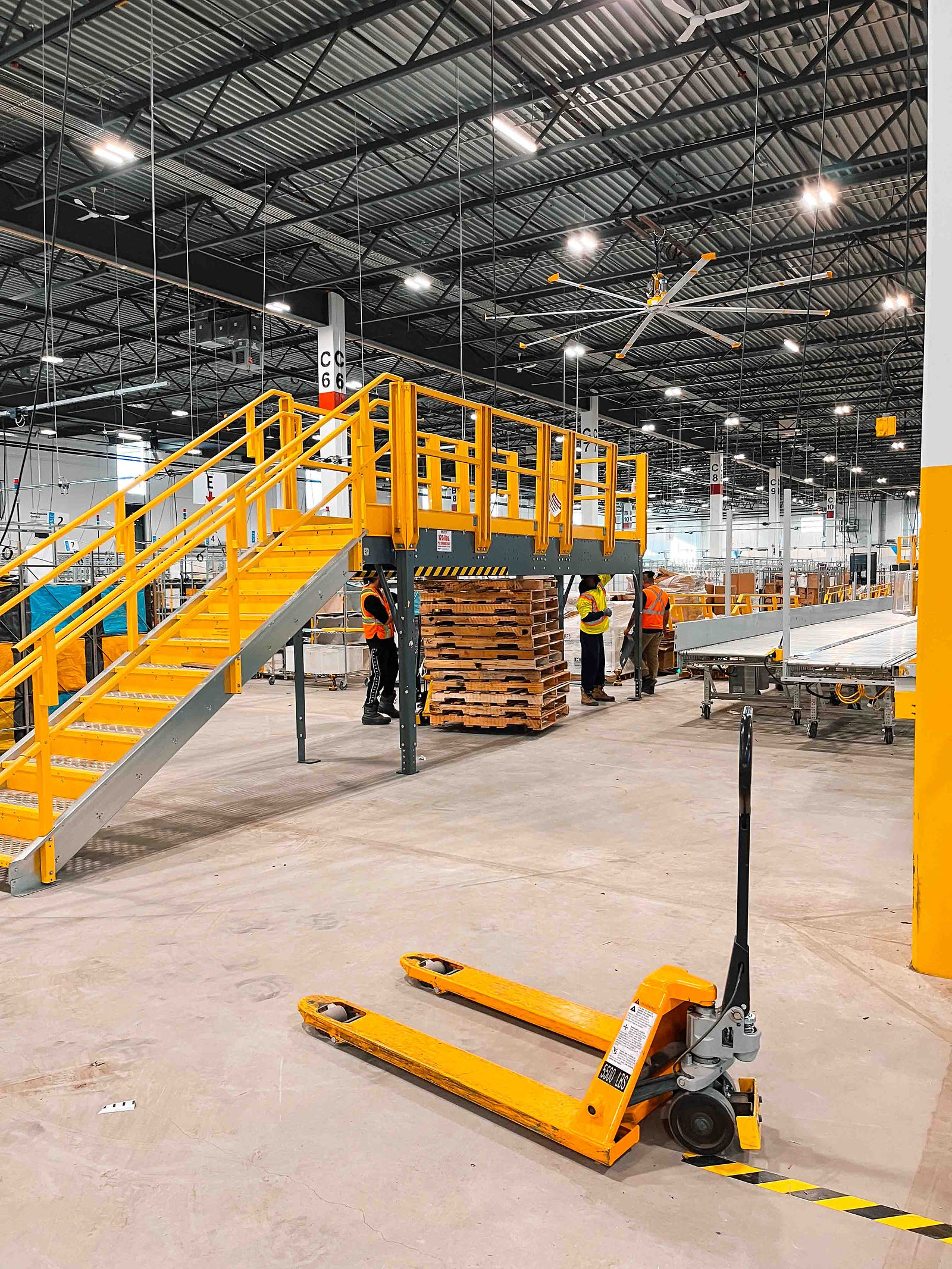
Transitioning a facility can be a complex and daunting process. Whether it’s a complete relocation, an upgrade, or a change in service providers, the need for a seamless transition is paramount. Expert guidance can significantly alleviate the challenges associated with such transitions. With a focus on minimizing disruption and ensuring business continuity, professionals in the field offer structured strategies and solutions. Understanding the critical steps and best practices can pave the way for a smooth transition, ensuring that operations remain uninterrupted and efficient.
Understanding Facility Transitions
Facility transitions encompass several scenarios, each with its own unique challenges and requirements. These can include:
- Relocation of facilities to a new geographic location.
- Upgrades or renovations to existing structures.
- Switching service providers or internal staff realignment.
- Implementing new technologies or systems.
Each scenario demands a customized approach, taking into account the specific needs and goals of the organization. Learn about our tailored solutions to address these diverse transition needs.
The Role of Experts in Facility Transitions
Comprehensive Planning and Assessment
A successful facility transition begins with thorough planning and assessment. Experts bring an objective perspective, identifying potential risks and developing strategies to mitigate them. Key planning stages include:
- Conducting a detailed needs assessment to understand the specific requirements of the transition.
- Developing a detailed project timeline and budget.
- Assessing current facility conditions and identifying necessary improvements.
By leveraging expert insights, organizations can ensure a well-structured transition plan is in place. Discover expert strategies here for comprehensive transition planning.
Ensuring Minimal Disruption
The primary goal of any facility transition is to minimize disruption to ongoing operations. Professionals achieve this through:
- Effective communication strategies to keep all stakeholders informed.
- Developing contingency plans to address potential issues swiftly.
- Coordinating with multiple teams to ensure synchronized efforts.
These measures help maintain operational continuity and mitigate the impact on daily business activities. Explore advanced guides and tips for minimizing disruption during transitions.
Benefits of Engaging Experts for Facility Transitions
Engaging experts for facility transitions offers numerous advantages:
- Access to specialized knowledge and experience that can streamline the transition process.
- Objective analysis and recommendations tailored to the organization”?s specific context.
- Efficient management of resources, including time, finances, and personnel.
- Improved risk management and contingency planning.
These benefits collectively contribute to a smoother transition experience, reducing stress and enhancing outcomes. Find out more about this approach and how it can benefit your organization.
Conclusion
Facility transitions, while challenging, are essential for organizational growth and adaptation. By engaging with experts, organizations can navigate these changes with confidence, ensuring that transitions are executed smoothly and efficiently. With the right strategies and solutions, the potential disruptions associated with transitions can be minimized, allowing businesses to focus on their core operations without interruption. Engaging professionals brings a wealth of experience and knowledge, making them invaluable partners in achieving successful transitions. To learn more about facilitating smooth transitions, explore advanced guides and tips provided by experienced experts.

What do you think?
Show comments / Leave a comment