


Upper School Program: Advancing towards College Readiness

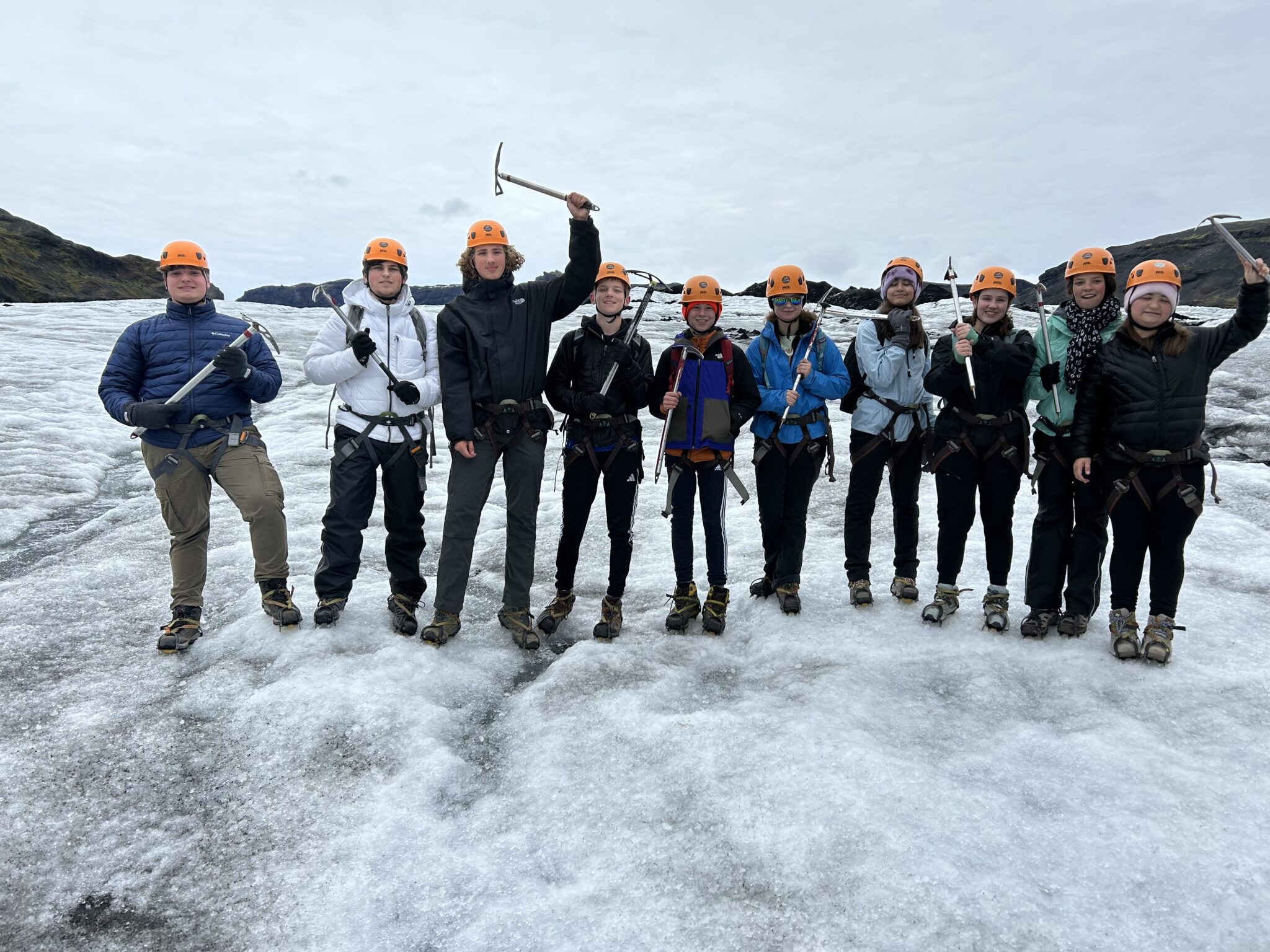
In the fast-paced and competitive world of education, ensuring that students are aptly prepared for the challenges of college is paramount. The upper school program serves as a crucial bridge in this journey, equipping students with the necessary skills and knowledge to transition seamlessly into higher education. A well-structured upper school program not only focuses on academic achievement but also fosters critical thinking, leadership, and personal development. This article delves into the various facets of an upper school program and its pivotal role in advancing students towards college readiness.
Key Components of an Upper School Program
An effective upper school program is built on a foundation of core components designed to support student success. These components include:
- Academic Rigor: Challenging coursework that prepares students for college-level studies.
- Extracurricular Activities: Opportunities for students to explore interests and develop skills outside the classroom.
- Guidance and Counseling: Personalized support to help students navigate their academic and personal goals.
Each component plays a vital role in fostering an environment where students can thrive and reach their full potential. Read more about this topic.
Academic Excellence and Curriculum Design
Curriculum Aligned with College Expectations
The curriculum of an upper school program is meticulously crafted to align with college expectations. It emphasizes critical areas such as:
- STEM Education: Preparing students for careers in science, technology, engineering, and mathematics.
- Humanities and Social Sciences: Encouraging a well-rounded education by integrating literature, history, and social sciences.
- Advanced Placement (AP) Courses: Providing students the opportunity to earn college credits.
For students to be truly prepared for college, they must engage with a curriculum that challenges them and promotes higher order thinking skills. Learn more in this detailed guide.
Personal Development and Leadership
Beyond academics, an upper school program should aim to develop students’ personal and leadership skills. This is achieved through:
- Leadership Training: Programs that encourage students to take initiative and lead projects.
- Community Service: Opportunities for students to contribute to their communities and develop empathy.
- Public Speaking and Debate: Platforms for students to enhance their communication skills.
These elements not only prepare students for college but also for life beyond academia. Explore further insights here.
The Role of Technology in Education
In today’s digital age, the integration of technology into the upper school curriculum is essential. Technology facilitates:
- Online Learning Platforms: Providing access to a wealth of resources and courses.
- Collaborative Tools: Enabling students to work together on projects remotely.
- Research and Innovation: Encouraging students to engage in independent research and innovative projects.
The use of technology not only enriches the learning experience but also prepares students for a tech-driven world. Find additional information here.
Conclusion
The upper school program is a pivotal step in preparing students for the demands of college and beyond. By focusing on academic excellence, personal development, and the integration of technology, students are better equipped to face the challenges that lie ahead. As educational institutions strive to enhance their programs, it is crucial that they continue to evolve and adapt to the changing needs of students, ensuring that they are not only college-ready but also ready to make meaningful contributions to society.

What do you think?
Show comments / Leave a comment