


The Best Orchid Potting Mix for Healthy Blooms

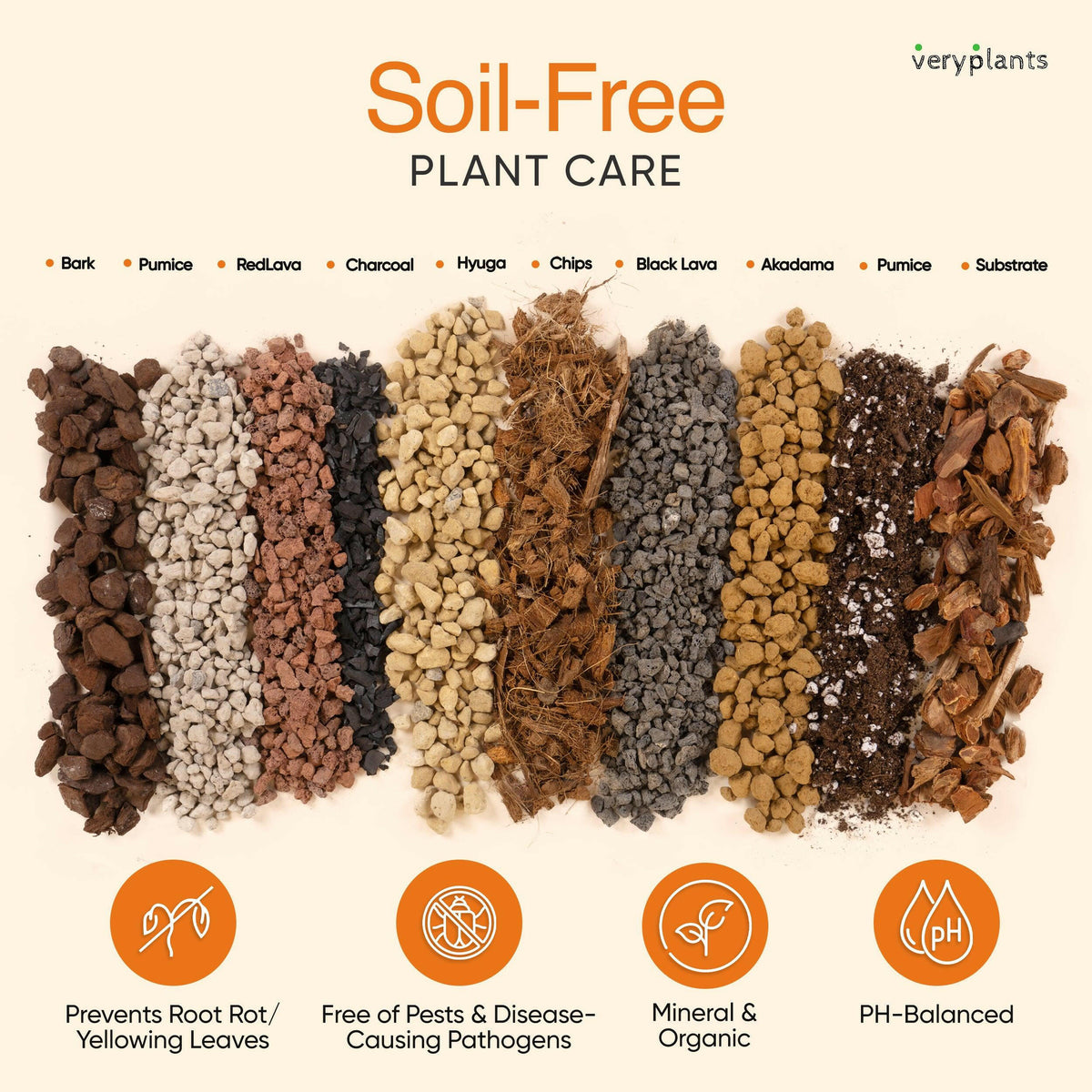
Orchids are among the most exotic and beautiful flowers, captivating plant enthusiasts with their delicate blooms and intricate structures. However, maintaining healthy orchids requires more than just admiration; it demands a suitable growing environment. A crucial element of this environment is the potting mix, which provides the necessary support, drainage, and nutrients. Selecting the right orchid potting mix is essential for fostering vibrant and healthy blooms, making it imperative to understand the components and characteristics that contribute to an ideal mix.
Understanding Orchid Needs
Orchids, unlike typical houseplants, have unique requirements due to their epiphytic nature. This means they naturally grow on trees, using their roots to anchor themselves rather than to absorb nutrients from the soil. Consequently, the following key characteristics must be considered when selecting an orchid potting mix:
- Excellent Drainage: Orchids thrive in environments where excess water can quickly drain away, preventing root rot.
- Aeration: Air circulation around the roots is essential to mimic their natural habitat.
- Moisture Retention: While good drainage is crucial, the potting mix should also retain some moisture to sustain the plant between waterings.
- Nutrient Availability: Although orchids get their nutrients from air and water in nature, a potting mix should still provide some essential nutrients.
Components of a Quality Orchid Potting Mix
To meet the above requirements, an effective orchid potting mix typically includes a blend of several components. Here are the most common ingredients found in a high-quality orchid potting soil:
Bark
Bark, particularly from fir trees, is a staple in many orchid mixes. It provides excellent drainage and aeration. Its rough texture allows air to circulate around the roots, reducing the risk of rot.
Sphagnum Moss
This component is valued for its ability to retain moisture. Sphagnum moss is often used in mixes for orchids that require slightly more moisture, like Paphiopedilum or Phragmipedium species.
Perlite
Perlite is a lightweight volcanic glass that promotes drainage and aeration. It helps prevent compacting within the mix, ensuring that roots have room to breathe.
Charcoal
Adding charcoal to an orchid mix can help absorb impurities and excess moisture, maintaining the freshness of the potting media.
Choosing the Right Mix for Your Orchid
The best orchid potting mix is one that matches the specific needs of the orchid species being cultivated. Here are some tips to consider when selecting a mix:
- Know Your Orchid: Different species have varying requirements. For example, Phalaenopsis orchids prefer a mix with more bark, while moisture-loving orchids may require more moss.
- Consider the Growing Environment: The humidity and temperature of the growing area can affect the choice of mix. In drier climates, a mix with higher moisture retention may be beneficial.
- Experiment and Observe: It may take some trial and error to find the perfect mix. Observe how your orchids respond and adjust the mix as needed.
Conclusion
A well-chosen orchid potting mix is crucial for the health and longevity of orchids. By understanding the specific needs of these captivating plants and selecting a mix that provides the right balance of drainage, aeration, moisture, and nutrients, one can ensure that orchids not only survive but thrive. For those looking to explore further, options like Molly’s Orchid Mix offer expertly crafted blends that cater to the diverse needs of these exquisite plants.

What do you think?
Show comments / Leave a comment