


Trusted Wildlife Control Professionals in Your Area

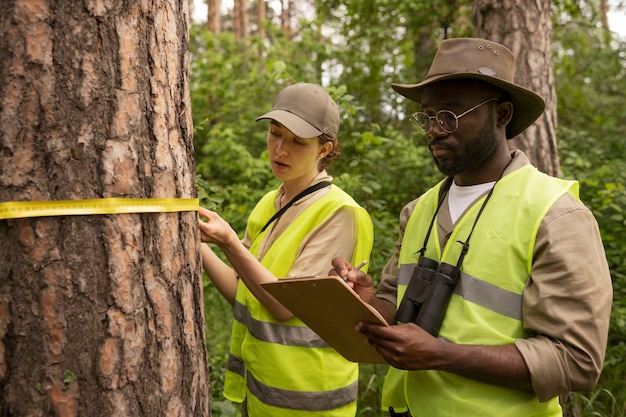
Encountering wildlife in residential or commercial areas can be an unexpected and sometimes unsettling experience. As urban development continues to encroach on natural habitats, encounters with wildlife have become more frequent. These interactions can pose various challenges, including safety risks, property damage, and the potential for wildlife to be harmed. Trusted wildlife control professionals offer solutions that are both humane and effective. These experts are equipped with the knowledge and tools necessary to manage wildlife situations safely and ethically.
Understanding Wildlife Management
Wildlife management is a specialized field requiring a deep understanding of animal behavior, ecology, and humane control techniques. Professionals in this area work to balance the needs of wildlife with human interests.
- Identification of Wildlife: Proper identification is the first step in addressing wildlife issues. Different species require different control methods.
- Humane Trapping and Relocation: Experts employ humane traps and relocation strategies, ensuring the well-being of the animal.
- Preventive Measures: Effective wildlife control involves preventive strategies to avoid future encounters.
For those interested in exploring these strategies further, discover expert strategies here.
Why Trust a Professional?
Handling wildlife without proper training can be dangerous and often results in ineffective outcomes. Here are key reasons why enlisting a professional is advisable:
- Expertise: Professionals have the knowledge to address various wildlife issues effectively.
- Safety: They utilize safe methods to protect both humans and animals.
- Legal Compliance: Professionals ensure compliance with local wildlife laws and regulations.
- Long-term Solutions: They provide solutions that prevent recurring problems.
To understand more about tailored solutions for wildlife control, learn about our tailored solutions.
When to Call a Wildlife Control Professional
Recognizing the Signs
It”?s crucial to recognize when professional intervention is necessary. Some common signs include:
- Unusual Noises: Scratching or scurrying sounds in walls or attics.
- Droppings: Evidence of animal waste around the property.
- Damage: Chewed wires, insulation, or structural elements.
- Nests: Visible animal nests in or around the property.
For detailed guidance on when to seek professional help, explore advanced guides and tips.
Customer Experiences
For individuals who prioritize peace of mind, reviewing customer feedback can be invaluable. Those interested can check out customer reviews here to see what others are saying about these wildlife control services. These reviews often highlight the professionalism, reliability, and humane approaches employed by trusted professionals.
Long-term Wildlife Management Strategies
Implementing Preventive Solutions
Effective wildlife management extends beyond immediate removal. It involves implementing long-term strategies to prevent future issues:
- Home Inspections: Regular inspections to identify potential entry points and vulnerabilities.
- Exclusion Techniques: Installing barriers and deterrents to keep wildlife out.
- Habitat Modification: Altering the environment to make it less attractive to wildlife.
- Education and Advice: Providing property owners with information and advice on maintaining a wildlife-free environment.
For more insights into these approaches, find out more about this approach.
In conclusion, dealing with wildlife requires a delicate balance of expertise, safety, and compassion. Trusted wildlife control professionals offer comprehensive solutions that protect both people and animals. By understanding when and why to call these experts, and by exploring customer reviews, individuals can ensure they make informed decisions about wildlife control in their area.

What do you think?
Show comments / Leave a comment