


AI Powered Autodiagnostics for Vehicle Repair Assistance

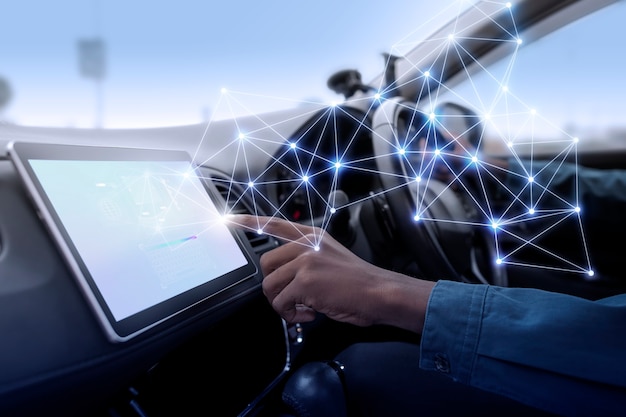
Modern vehicles generate an immense amount of data, from sensor readings to diagnostic trouble codes (DTCs). Interpreting this information quickly and accurately is essential for minimizing downtime and keeping drivers safe. AI-powered autodiagnostics are transforming the repair landscape by delivering real-time analysis, predictive insights, and step-by-step assistance directly to technicians and car owners. This technology not only speeds up fault identification but also guides the repair process, reducing guesswork and the need for repeated visits to the shop.
How AI Autodiagnostics Work
At the core of AI-driven vehicle diagnostics is a combination of machine learning models, cloud computing, and vehicle-to-cloud communication protocols. The workflow typically follows these stages:
Data Acquisition
- On-board diagnostics (OBD-II) ports transmit live sensor data and error codes.
- Telematics units capture contextual information such as speed, location, and driving habits.
- External databases provide reference data for known fault patterns.
Pattern Recognition
- Supervised learning algorithms compare incoming data against labeled fault libraries.
- Unsupervised models detect anomalies that may indicate emerging issues.
- Natural language processing translates raw codes into plain-language descriptions.
Actionable Recommendations
- Prioritized repair steps are generated based on severity and part availability.
- Estimated time and cost projections help schedule service appointments efficiently.
- Safety alerts are issued instantly if critical systems are compromised.
Benefits for Technicians and Vehicle Owners
Integrating AI diagnostics into everyday repair workflows yields tangible advantages for both service professionals and drivers.
- Speed: Fault identification that once took hours can now be completed in minutes.
- Accuracy: Machine learning reduces human error by cross-checking multiple data sources.
- Cost Savings: Early detection prevents costly component failures and extensive labor.
- Customer Satisfaction: Transparent explanations and precise estimates improve trust.
For a deeper dive into practical applications, Discover expert strategies here and see how these tools are reshaping service bays worldwide.
Key Features to Look for in an AI Diagnostic Platform
When evaluating solutions, consider the following capabilities to ensure the technology aligns with operational goals.
- Real-Time Cloud Sync: Continuous data streaming enables up-to-the-minute analysis.
- Comprehensive Vehicle Coverage: Support for a wide range of makes, models, and model years.
- Scalable Architecture: Ability to handle growing fleets or multiple shop locations.
- Intuitive User Interface: Clear visualizations and step-by-step guidance reduce training time.
- Security & Privacy: End-to-end encryption protects proprietary vehicle data.
To explore detailed specifications and real-world case studies, Learn about our tailored solutions that illustrate these criteria in action.
Implementation Considerations
Adopting AI autodiagnostics involves more than just installing software. Successful integration requires careful planning across technology, people, and processes.
Technical Integration
- Ensure OBD-II adapters are compatible with the chosen platform.
- Validate network bandwidth for seamless cloud communication.
- Set up API connections to existing shop management systems.
Workforce Training
- Provide hands-on workshops for technicians to become comfortable with AI suggestions.
- Develop standard operating procedures that incorporate AI-generated repair steps.
- Encourage feedback loops to refine model accuracy over time.
Data Management
- Implement data retention policies that comply with local regulations.
- Regularly audit model performance to detect drift or bias.
- Maintain a backup of raw diagnostic logs for warranty and compliance purposes.
Future Trends in Vehicle Autodiagnostics
The evolution of AI in automotive service is poised to accelerate as vehicles become increasingly connected and autonomous.
- Predictive Maintenance: Algorithms will forecast component wear before failures occur, enabling truly proactive service schedules.
- Edge Computing: Processing power embedded in the vehicle will allow instant diagnostics without relying on constant cloud access.
- Augmented Reality (AR) Assistance: Technicians could receive visual overlays of repair instructions directly on the vehicle.
- Integration with Mobility Services: Fleet operators will leverage AI diagnostics to optimize vehicle uptime across large networks.
For readers interested in staying ahead of these developments, Explore advanced guides and tips that cover emerging technologies and best practices.
Conclusion
AI-powered autodiagnostics represent a pivotal shift in how vehicle issues are identified and resolved. By harnessing real-time data, sophisticated pattern recognition, and clear, actionable recommendations, repair shops can enhance efficiency, reduce costs, and deliver superior service experiences. As the automotive ecosystem continues to embrace connectivity and intelligence, investing in robust diagnostic platforms will become a strategic necessity for maintaining competitiveness and ensuring vehicle reliability.

What do you think?
Show comments / Leave a comment