


Choosing the Best Indoor Potting Mix for Your Plants

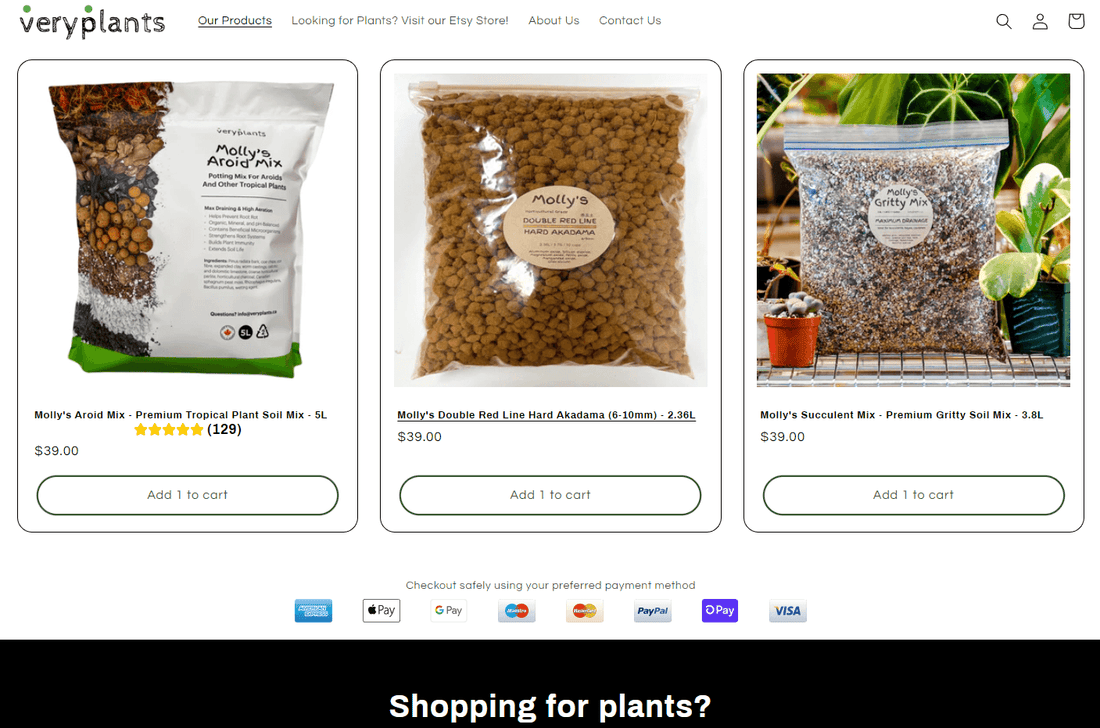
Selecting the right potting mix is crucial for the health and growth of indoor plants. With numerous options available, choosing the best mix can be a daunting task. A suitable potting mix not only supports the plant’s root system but also provides essential nutrients, proper drainage, and aeration. This guide aims to simplify the selection process by exploring various types of potting mixes and offering tips to ensure your indoor plants thrive.
Understanding Potting Mix Components
A good indoor potting mix typically consists of a blend of several components, each contributing to the overall quality of the mix:
- Peat Moss: Retains moisture and provides organic matter.
- Perlite: Enhances aeration and drainage.
- Vermiculite: Holds moisture and nutrients while promoting aeration.
- Coconut Coir: A sustainable alternative to peat moss, offering excellent water retention.
- Bark: Adds texture and improves drainage.
Types of Indoor Potting Mixes
Understanding the different types of potting mixes can help in choosing the most suitable one for specific plant needs. Here are some popular types:
Traditional Potting Mix
Traditional potting mixes often contain a combination of peat moss, perlite, and vermiculite. They are suitable for a wide range of plants but might not be the best choice for all species due to the presence of peat, which is not always sustainable.
Soilless Potting Mix
A soilless potting mix is composed of materials like coconut coir, perlite, and bark without actual soil. These mixes are lightweight, provide excellent aeration and drainage, and are ideal for plants that require a more sterile environment.
Cactus and Succulent Mix
Designed specifically for cactus and succulents, this mix has a gritty texture with enhanced drainage capabilities. It typically contains sand, perlite, and small gravel.
Orchid Mix
Orchids require a specialized mix with excellent drainage and aeration. Orchid potting mixes usually comprise bark, charcoal, and perlite.
Choosing the Right Mix for Your Plants
When selecting the best potting mix, consider the specific requirements of your indoor plants. Here are some tips to guide your choice:
- Research your plant species to understand its specific needs.
- Consider the environmental conditions of your home, such as humidity and light.
- Opt for soil alternatives for indoor plants that are sustainable and environmentally friendly.
- Look for potting mixes that offer a balance of moisture retention and drainage.
Maintaining Your Potting Mix
Regular maintenance is key to ensuring your potting mix continues to support plant health. Here are some tips:
- Monitor moisture levels to avoid overwatering or underwatering.
- Replenish nutrients by using organic fertilizers periodically.
- Repot your plants every 1-2 years to refresh the potting mix and provide room for growth.
- Check for pests and diseases regularly and take appropriate measures if needed.
By understanding the components and types of potting mixes, as well as the specific needs of your plants, you can make informed decisions that promote healthy growth and vibrant indoor greenery. Selecting the right potting mix is an investment in the longevity and beauty of your indoor plants.

What do you think?
Show comments / Leave a comment