


Create Temporary Modular Space with Ease

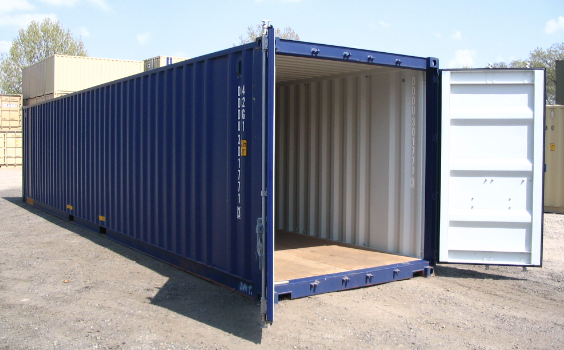
In today?s fast-paced world, the need for flexible and adaptable spaces is more crucial than ever. Whether it’s for temporary offices, pop-up shops, or emergency shelters, modular spaces have revolutionized the way we think about and utilize space. These innovative solutions offer a swift, reliable, and cost-effective way to meet diverse space requirements, accommodating various sectors from commercial to residential. With advancements in technology and design, creating temporary modular space has become an efficient and straightforward process. This article delves into the art of crafting these spaces, discussing the benefits and providing guidance on choosing the right solutions.
The Benefits of Temporary Modular Spaces
Temporary modular spaces provide numerous advantages that make them a preferred choice for many applications. Here are some of the key benefits:
- Flexibility: Modular spaces can be easily reconfigured or expanded to meet changing needs.
- Speed of Construction: These spaces can be assembled quickly, often in a fraction of the time required for traditional buildings.
- Cost-Effective: They typically require less investment compared to permanent structures, offering significant savings.
- Environmental Impact: Reusing modular components reduces waste and minimizes the environmental footprint.
To explore the possibilities of modular spaces and their transformative potential, discover expert strategies here.
Applications and Use Cases
Commercial and Retail Spaces
In the commercial sector, temporary modular spaces are ideal for businesses needing rapid deployment of retail outlets or office spaces. They offer the flexibility to test markets with pop-up shops or establish temporary offices during renovations or relocations. Learn about our tailored solutions to meet specific business needs.
Educational and Healthcare Facilities
Educational institutions and healthcare providers also benefit from modular spaces. Schools can use them to accommodate fluctuating student populations, while hospitals can quickly expand capacity during emergencies. These spaces ensure that critical services are uninterrupted, supporting the dynamic needs of these sectors. Explore advanced guides and tips for educational and healthcare applications.
Choosing the Right Modular Solution
When selecting a modular space solution, several factors should be considered to ensure the best fit for your needs:
- Purpose and Use: Clearly define the intended use to select a design that meets all functional requirements.
- Size and Scale: Consider the necessary size and scalability options to accommodate future growth or changes.
- Budget: Set a budget that aligns with your financial constraints while ensuring quality and durability.
- Compliance and Regulations: Ensure the solution complies with local building codes and regulations.
For more detailed guidance on selecting the appropriate modular solution, find out more about this approach.
Future of Modular Spaces
As urban environments continue to evolve, the demand for adaptable and multifunctional spaces will grow. Modular construction is poised to play a pivotal role in this transformation, driven by the need for sustainable and efficient solutions. Innovations in materials and design are paving the way for even more versatile and eco-friendly modular spaces, making them a cornerstone of modern architecture and urban planning.
The journey towards creating effective modular spaces is supported by a wealth of resources and expert insights. By leveraging these, organizations and individuals can harness the full potential of modular construction to meet their space needs efficiently and sustainably. Explore advanced guides and tips for a deeper understanding of the future of modular spaces.

What do you think?
Show comments / Leave a comment