


Creating Stunning Indoor Garden Designs

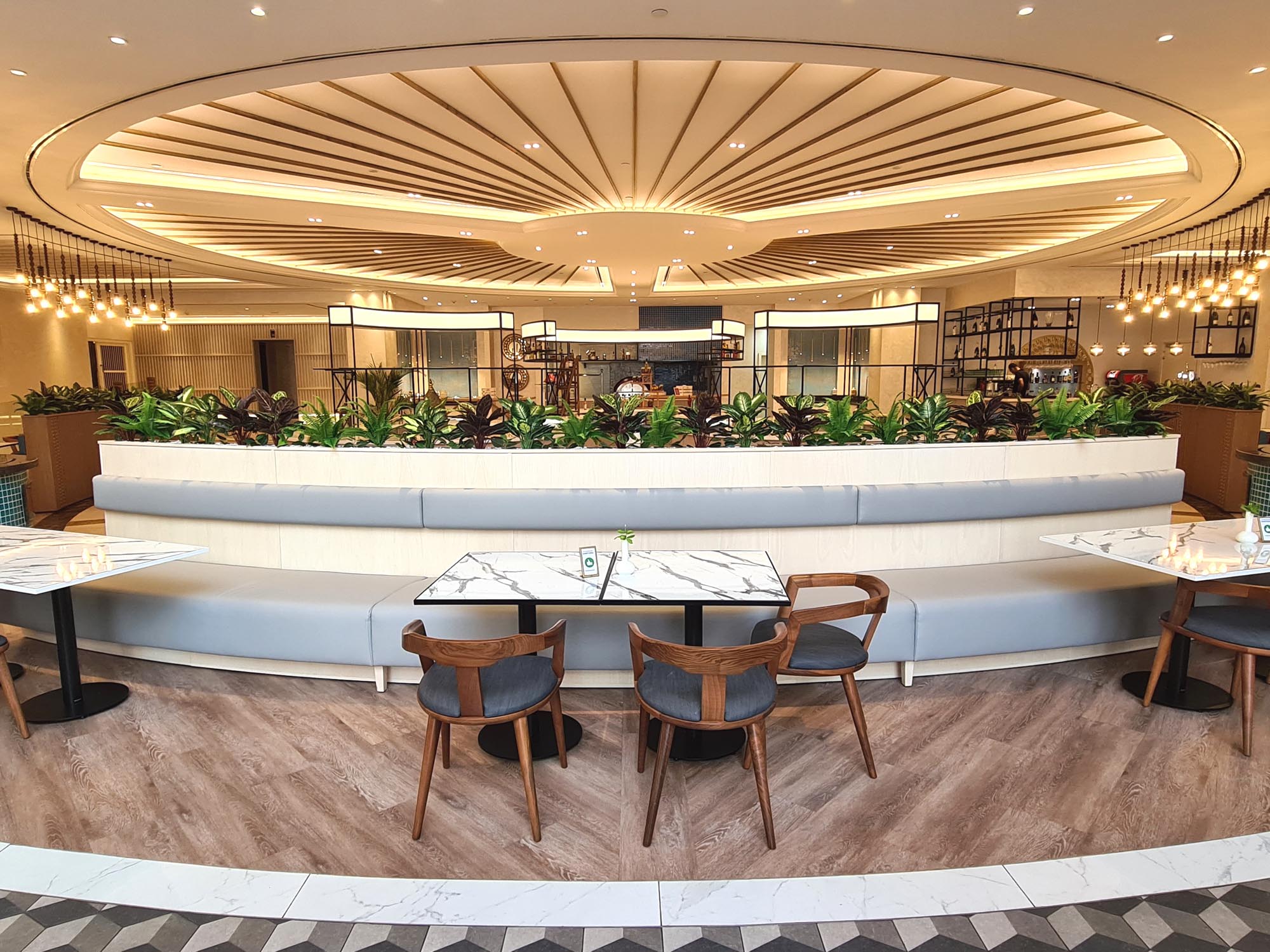
In the heart of modern homes, the allure of indoor gardens has captivated many, transforming interior spaces into verdant retreats. These spaces are not merely about adding greenery but about creating harmonious environments that enhance living spaces. With thoughtful planning and design, indoor gardens can elevate the aesthetic and functional aspects of a home. The concept of indoor gardening design has evolved, blending creativity with sustainability, and offering endless possibilities for plant enthusiasts and interior designers alike.
Understanding the Basics of Indoor Garden Design
Creating a stunning indoor garden requires more than just placing a few pots around the house. It involves understanding the interplay of light, space, and plant selection to create a cohesive and pleasing design.
Choosing the Right Plants
- Light Requirements: Assess the natural light available in different areas of the home to select plants that will thrive in those conditions. Some plants prefer bright, indirect light, while others can tolerate low-light situations.
- Size and Growth Habit: Consider the mature size and shape of plants to ensure they fit well within their designated space.
- Maintenance Needs: Choose plants that match the maintenance level you are comfortable with. Some require regular care, while others are more forgiving.
Incorporating Design Elements
An effective indoor garden design incorporates various elements that complement the overall aesthetic of the space. Here are some key design principles to consider:
- Color Palette: Use plants with foliage or flowers that match the interior color scheme for a cohesive look.
- Textures and Shapes: Mix different textures and shapes of plants to add depth and interest to the design.
- Containers and Planters: Select containers that not only suit the plants but also enhance the design. Unique planters can serve as focal points within a space.
Maximizing Limited Spaces
Even in smaller homes or apartments, indoor gardens can flourish with the right approach. The key is to utilize space efficiently and creatively.
Vertical Gardening
Vertical gardening is a brilliant way to maximize space, especially in urban settings. By using walls or vertical structures, plants can be grown upwards rather than outwards, saving precious floor space. This method not only optimizes space but also adds a dynamic visual element to the interior.
Utilizing Unused Spaces
Consider transforming unused spaces such as corners, window sills, or even the tops of cabinets into micro-gardens. These areas can be perfect for small pots or hanging plants that draw the eye upwards.
Integrating Technology in Indoor Gardens
Modern technology offers numerous advancements that can support indoor gardening efforts, making plant care more efficient and effective.
Smart Irrigation Systems
Automated irrigation systems can be a game-changer for indoor gardens, ensuring plants receive consistent moisture without the need for constant attention. These systems can be programmed to suit the specific needs of different plants, reducing the risk of over or under-watering.
Grow Lights
In environments where natural light is limited, grow lights can supplement the light needed for plants to thrive. These lights are designed to mimic the spectrum of sunlight, promoting healthy growth even in darker areas of a home.
Whether creating a small oasis or designing a more extensive indoor garden, the key is to balance aesthetics with functionality. Thoughtful planning and design can transform any interior space into a lush, calming retreat that enhances both the environment and the well-being of those who inhabit it.

What do you think?
Show comments / Leave a comment