


Efficient Wood Drying Equipment: A Guide for Timber Processing

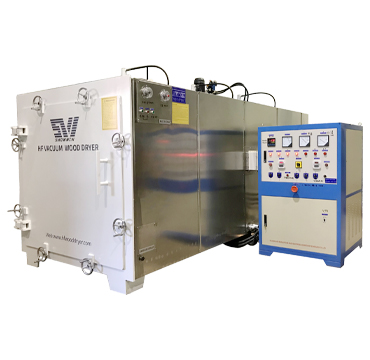
Timber processing is a sophisticated field that demands precision, efficiency, and consistency. Central to this process is the drying of wood, a critical step that affects the quality and usability of the final product. Efficient wood drying equipment plays a vital role in ensuring that timber is properly seasoned, preventing defects like warping, cracking, and decay. This guide explores the importance of selecting the right wood drying equipment and provides insights into the various options available to achieve optimal results in timber processing.
Understanding Wood Drying Equipment
Wood drying equipment is essential for the successful processing of timber. It removes excess moisture from the wood, ensuring stability and durability. The choice of equipment can significantly impact the efficiency and quality of the drying process.
Types of Wood Drying Equipment
- Conventional Drying Kilns: These are the most common types of kilns used in the industry. They use a combination of heat, air circulation, and humidity control to dry wood over a period of time.
- Dehumidification Kilns: These utilize a heat pump and a dehumidifier to extract moisture from the wood. They are energy-efficient and can be used for various wood species.
- Vacuum Kilns: By reducing air pressure, vacuum kilns speed up the drying process significantly. They are ideal for high-value timber and can produce excellent results in a shorter time frame.
- Solar Kilns: These are environmentally friendly options that use solar energy to dry timber. While cost-effective, they may not be suitable for all climates or large-scale operations.
Factors to Consider When Choosing Wood Drying Equipment
Selecting the right wood drying equipment involves several considerations. The following factors should guide decision-making:
- Wood Species: Different woods have varying moisture content and drying needs. Ensure the equipment you choose can handle the specific requirements of the timber you process.
- Scale of Operation: The size and capacity of the equipment should match the scale of your timber processing operations.
- Energy Efficiency: Opt for equipment that offers energy-saving features to reduce operational costs.
- Initial Investment and Maintenance: Consider the upfront cost and the long-term maintenance requirements of the equipment.
- Environmental Impact: Evaluate the environmental footprint of the equipment, especially if sustainability is a priority.
Benefits of Efficient Wood Drying Equipment
Investing in the right wood drying equipment yields multiple benefits:
- Improved Product Quality: Properly dried wood is less prone to defects, ensuring higher quality end products.
- Enhanced Efficiency: Modern drying equipment can significantly reduce drying times, increasing productivity.
- Cost Savings: Energy-efficient models help lower operational costs over time.
- Sustainability: Using environmentally friendly equipment contributes to sustainable timber processing practices.
Conclusion
Efficient wood drying equipment is a cornerstone of successful timber processing. By understanding the various types of equipment available and the factors to consider when choosing one, businesses can enhance their operations, improve product quality, and achieve sustainability goals. As the industry continues to evolve, staying informed about the latest advancements in wood drying equipment will ensure that timber processors remain competitive and efficient in their practices.

What do you think?
Show comments / Leave a comment