


Enhance Energy Efficiency with Attic Insulation

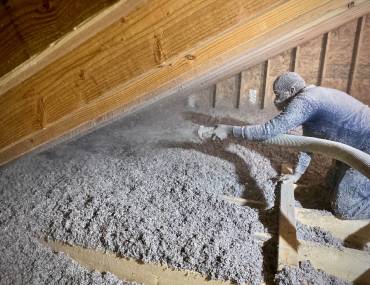
In today’s environmentally conscious world, improving energy efficiency in homes is becoming an increasingly important priority. One of the most effective ways to achieve this is through proper attic insulation. Attic insulation acts as a barrier against heat loss in the winter and heat gain in the summer, making it a crucial component for maintaining an energy-efficient home. With a variety of materials and techniques available, homeowners can explore tailored solutions to suit their specific needs. Attic insulation not only enhances comfort but also significantly reduces energy costs, making it a wise investment for the future.
The Importance of Attic Insulation
Attic insulation is vital for several reasons, primarily focusing on energy conservation and enhancing indoor comfort. Properly installed insulation can:
- Reduce energy bills by minimizing the need for heating and cooling systems.
- Improve indoor air quality by reducing the infiltration of outdoor pollutants and allergens.
- Enhance overall home comfort by maintaining consistent indoor temperatures.
- Contribute to environmental sustainability by lowering the household’s carbon footprint.
For those looking to delve deeper into the nuances of attic insulation, discover expert strategies here.
Types of Attic Insulation
Fiberglass Insulation
Fiberglass is one of the most common types of insulation due to its affordability and ease of installation. Its fibrous nature makes it an excellent barrier against heat transfer. Fiberglass insulation is available in batts and loose-fill forms, catering to different application needs.
Spray Foam Insulation
Known for its superior insulating properties, spray foam insulation expands to fill gaps and crevices, providing an airtight seal. This type of insulation is ideal for irregularly shaped spaces and is highly effective in reducing air leakage.
To explore advanced guides and tips on selecting the right insulation type, learn about our tailored solutions.
Cellulose Insulation
Made from recycled paper products, cellulose insulation is an eco-friendly option that offers excellent thermal performance. It’s treated with fire retardants to enhance safety and is often used in both new and existing homes.
Installation Best Practices
Proper installation is crucial for maximizing the efficiency of attic insulation. Here are some key best practices:
- Seal all air leaks before installing insulation to prevent heat loss.
- Ensure even coverage and adequate thickness to achieve desired R-values.
- Use appropriate safety gear during installation to avoid exposure to insulation materials.
- Hire professional services for complex installations to ensure optimal performance.
For those interested in understanding the detailed process, find out more about this approach.
Benefits of Professional Evaluation
A professional evaluation can provide insights into the most effective insulation solutions tailored to a specific home. Experts can assess the current state of existing insulation, identify areas of improvement, and recommend the best materials and techniques.
Explore advanced guides and tips to ensure a comprehensive evaluation that takes into account all aspects of home energy efficiency.
Investing in quality attic insulation is an essential step toward achieving a more energy-efficient and comfortable home. By understanding the various types of insulation, employing best practices, and seeking professional guidance, homeowners can significantly enhance their home’s performance. Explore the wealth of information available to make informed decisions that contribute to sustainable living and financial savings.

What do you think?
Show comments / Leave a comment