


Key Considerations for Installing Thermal Breaks in Structures

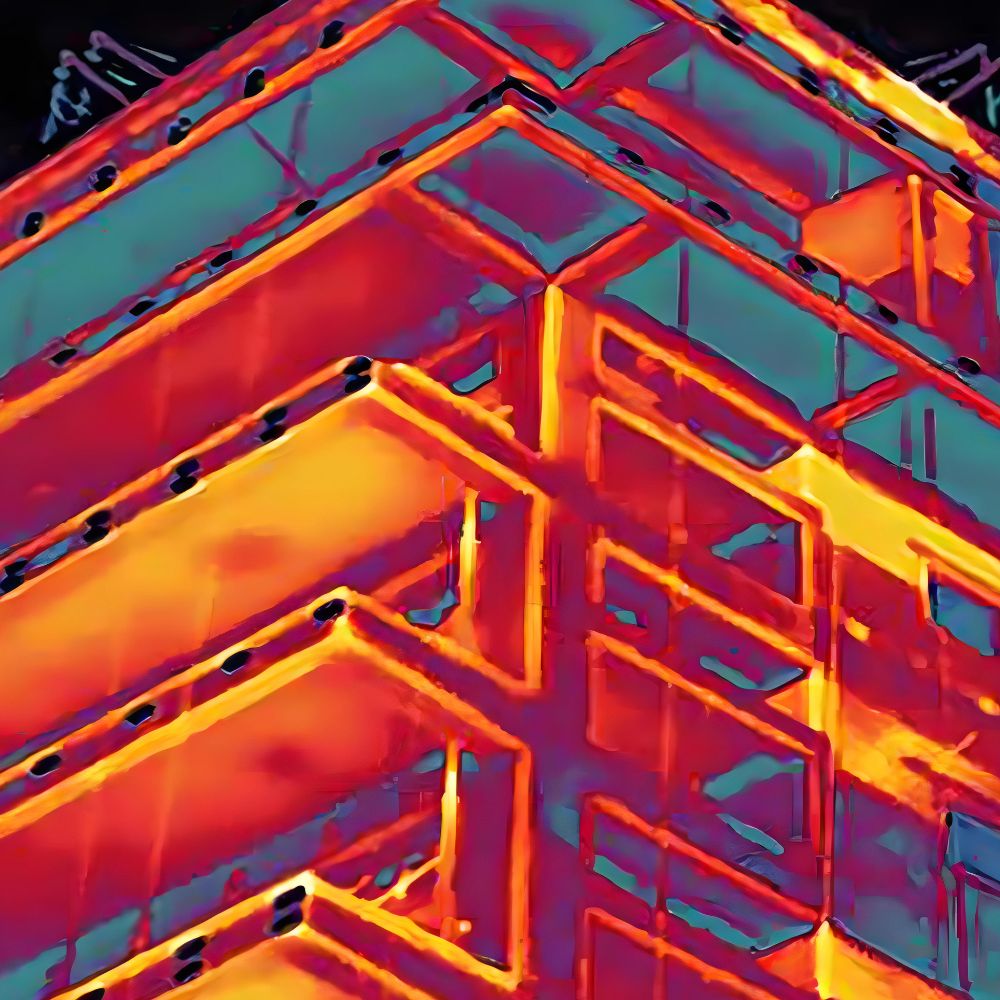
In the realm of construction and building design, the significance of thermal breaks cannot be overstated. These components are essential for improving energy efficiency and reducing thermal bridging, which can lead to energy loss and structural inefficiencies. Proper installation of thermal breaks is crucial for ensuring that buildings perform optimally, both in terms of energy consumption and structural integrity. This article delves into the key considerations for installing thermal breaks, offering insights on how to enhance building performance effectively.
Understanding Thermal Breaks
Thermal breaks are materials incorporated into building structures to interrupt the thermal bridge that can conduct heat across different areas. By understanding the nature and role of thermal breaks, one can make informed decisions about their installation and application. Discover expert strategies here.
Types of Thermal Breaks
- Metal Thermal Breaks: Often used in steel structures, these breaks help to minimize heat transfer through metal components.
- Polymer Thermal Breaks: Made from plastic materials, these are suitable for a variety of construction needs and offer excellent insulation properties.
- Composite Thermal Breaks: These combine different materials to enhance insulation and structural strength.
Key Considerations for Installation
Material Selection
The choice of material for thermal breaks is paramount. Consider factors such as thermal performance, structural integrity, and compatibility with other building materials. Explore advanced guides and tips.
Design Integration
Integrating thermal breaks into the building design requires meticulous planning. Architects and engineers should collaborate to ensure that thermal breaks do not compromise the structural design while maximizing energy efficiency.
- Ensure thermal breaks are part of the initial design phase.
- Work with experienced professionals to maintain balance between functionality and aesthetics.
- Evaluate the long-term benefits of thermal breaks on energy savings and structural health.
Installation Techniques
Proper installation techniques are critical for the effectiveness of thermal breaks. Incorrect installation can lead to thermal bridging and increased energy costs. Here are some techniques to consider:
- Follow manufacturer guidelines for installation to ensure optimal performance.
- Ensure all connections and joints are sealed properly to prevent thermal leaks.
- Regularly inspect installed thermal breaks for any signs of wear or failure.
Benefits of Proper Thermal Break Installation
Correctly installed thermal breaks offer numerous benefits that make them indispensable in modern construction:
- Energy Efficiency: Significantly reduces energy costs by minimizing heat loss.
- Improved Comfort: Enhances indoor comfort by maintaining consistent temperatures.
- Structural Longevity: Protects building materials from thermal stress, prolonging their lifespan.
For more comprehensive insights into thermal break installations, find out more about this approach.
Conclusion
The installation of thermal breaks is a crucial step in optimizing building performance. By considering material selection, design integration, and installation techniques, one can significantly enhance the efficiency and durability of structures. It is advisable to consult with professional resources and industry experts to ensure that all aspects of thermal break installation are meticulously addressed. For more detailed information, learn about our tailored solutions.

What do you think?
Show comments / Leave a comment