


Maximize Durability with Edge Grain Cutting Boards

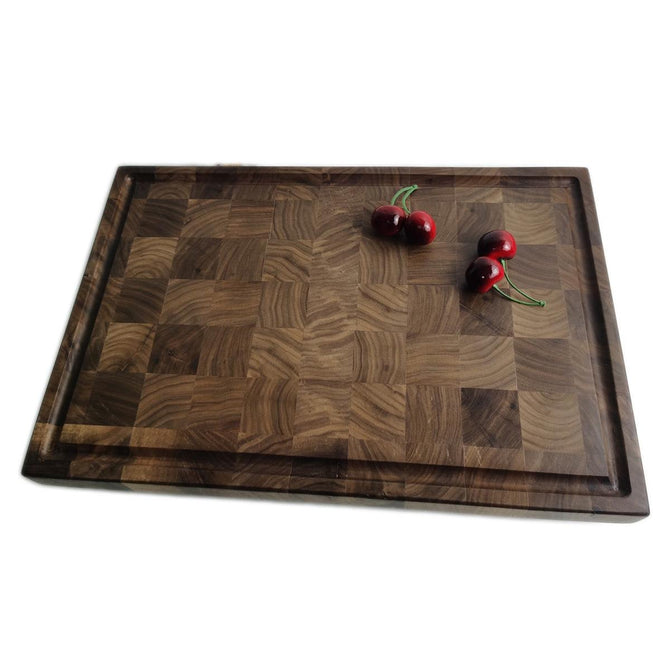
In the culinary world, the selection of the right cutting board is essential for both amateur cooks and professional chefs. Among the various types of cutting boards available, edge grain cutting boards stand out for their durability and functionality. Understanding the unique features of these boards and how they compare to other types, like end grain and face grain options, can help in making an informed choice that enhances both the cooking experience and the longevity of kitchen tools.
Understanding Edge Grain Cutting Boards
Edge grain cutting boards are crafted by arranging wood planks so that the edges are exposed on the cutting surface. This construction offers several benefits:
- Durability: The alignment of wood fibers in edge grain boards makes them robust, offering resistance to knife marks and warping.
- Stability: Thanks to their sturdy nature, these boards provide a stable cutting surface, making them ideal for heavy-duty chopping tasks.
- Maintenance: They require less frequent oiling compared to end grain wood cutting boards, making them easier to maintain over time.
Comparing with Other Types
While edge grain boards offer distinct advantages, it is useful to compare them with other types like face grain cutting boards and butcher block cutting board options:
- Face Grain Cutting Boards: These are made from wide wood planks, showing the natural beauty of the wood grain. While aesthetically pleasing, they are more prone to scratches and knife marks.
- End Grain Cutting Boards: Known for their self-healing properties, end grain boards, such as the walnut end grain cutting board, are gentle on knives but require more maintenance.
Maximizing the Longevity of Edge Grain Cutting Boards
Proper care and maintenance practices can significantly extend the life of edge grain cutting boards:
- Regular Cleaning: Wash the board with mild soap and warm water after each use. Avoid submerging in water to prevent warping.
- Periodic Oiling: Though less frequent than other types, occasional oiling with food-grade mineral oil helps maintain the board’s condition.
- Balanced Usage: Rotate the board to ensure even wear over time, which helps maintain its structural integrity.
Choosing the Right Board for Your Needs
When selecting a cutting board, consider the type of cooking most frequently performed. For instance, a wood grain cutting board may be suitable for everyday kitchen tasks, while a wooden chopping board can handle more rigorous chopping duties.
Conclusion
Edge grain cutting boards represent a perfect blend of durability, functionality, and ease of maintenance. They serve as a practical choice for those seeking a reliable kitchen tool that will withstand the test of time. Whether for complex culinary endeavors or simple meal preparations, these boards offer a versatile solution for a wide range of kitchen tasks. By understanding the unique qualities and maintenance needs of edge grain cutting boards, one can enjoy a long-lasting and efficient kitchen experience.

What do you think?
Show comments / Leave a comment