


Maximizing Coverage with Corporate Insurance Programs

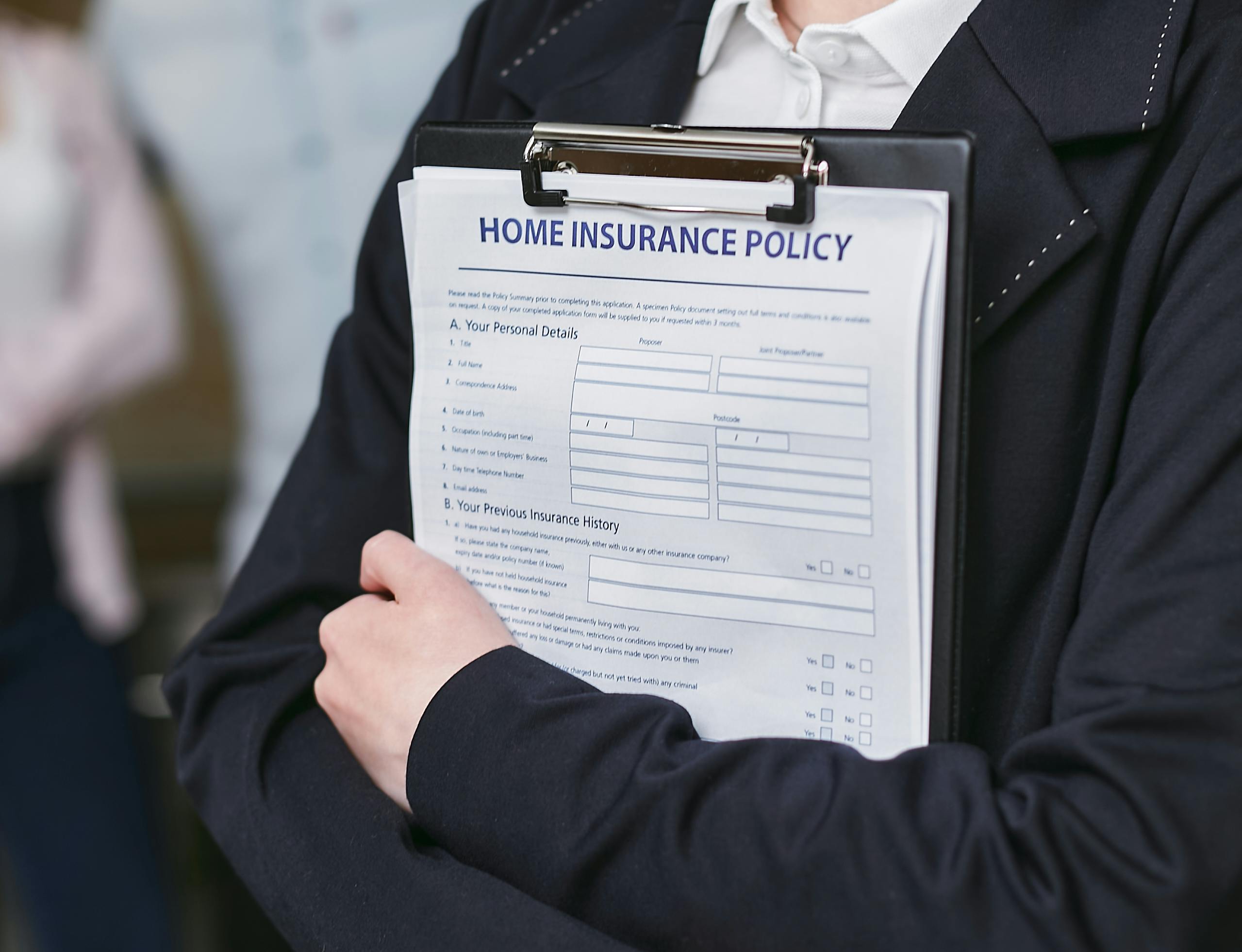
In today’s fast-paced business environment, managing risks and ensuring comprehensive protection is crucial for corporate success. Corporate insurance programs play a vital role in safeguarding businesses against unforeseen challenges. As businesses grow and expand globally, fine-tuning insurance strategies to maximize coverage becomes an essential aspect of risk management. This article delves into effective methods for optimizing corporate insurance programs, ensuring robust protection while maintaining cost efficiency.
Understanding Corporate Insurance Programs
Corporate insurance programs are structured to protect businesses from a range of risks, including property damage, liability claims, and employee-related incidents. Understanding the various components of these programs is the first step in maximizing their benefits.
Types of Coverage
- Property Insurance: Protects physical assets against damage or loss.
- Liability Insurance: Covers legal liabilities arising from injuries or damages to third parties.
- Worker?s Compensation: Provides benefits to employees injured on the job.
- Business Interruption Insurance: Compensates for lost income during disruptions.
- Cyber Insurance: Protects against data breaches and cyber threats.
Each type of coverage has distinct features tailored to specific needs. Discover expert strategies here to identify which policies best align with your business requirements.
Strategies for Maximizing Coverage
To ensure that corporate insurance programs are both comprehensive and cost-effective, businesses should consider the following strategies:
Conducting a Risk Assessment
A thorough risk assessment identifies potential risks and their impact on the business. This assessment should:
- Identify all possible risks, including emerging threats such as cyber incidents.
- Evaluate the likelihood and potential impact of each risk.
- Prioritize risks to determine the most critical areas requiring coverage.
Conducting regular risk assessments ensures that insurance programs are aligned with evolving business landscapes. Learn about our tailored solutions to enhance risk assessment processes.
Customizing Insurance Policies
Tailoring insurance policies to fit specific business needs is essential. Consider:
- Negotiating terms to include specific endorsements or riders that meet unique business requirements.
- Choosing high-deductible plans to reduce premiums, if financial conditions allow.
- Exploring bundled policies to leverage discounts and consolidate coverage.
Customization helps in reducing unnecessary costs while ensuring adequate protection. Explore advanced guides and tips for customizing corporate insurance strategies.
Ensuring Continuous Coverage Optimization
Continuous evaluation and adjustment of insurance programs are key to maintaining optimal coverage. This involves:
Regular Policy Reviews
Businesses should regularly review their insurance policies to ensure they reflect current risks and operations. Consider:
- Annual reviews to adjust for changes in business operations or market conditions.
- Seeking expert consultations to identify gaps in coverage.
- Updating policies to address new risks or expansions.
Regular reviews prevent coverage lapses and ensure ongoing alignment with business goals. Find out more about this approach to maintain continuous coverage optimization.
In conclusion, maximizing coverage through corporate insurance programs is an intricate process that demands a strategic approach. By conducting thorough risk assessments, customizing policies, and engaging in regular reviews, businesses can ensure robust protection against a myriad of risks. These actions not only safeguard assets but also contribute to sustainable growth and long-term success.

What do you think?
Show comments / Leave a comment