


Medtech M&A in 2026: A Founder’s Checklist for Becoming an Acquisition Target

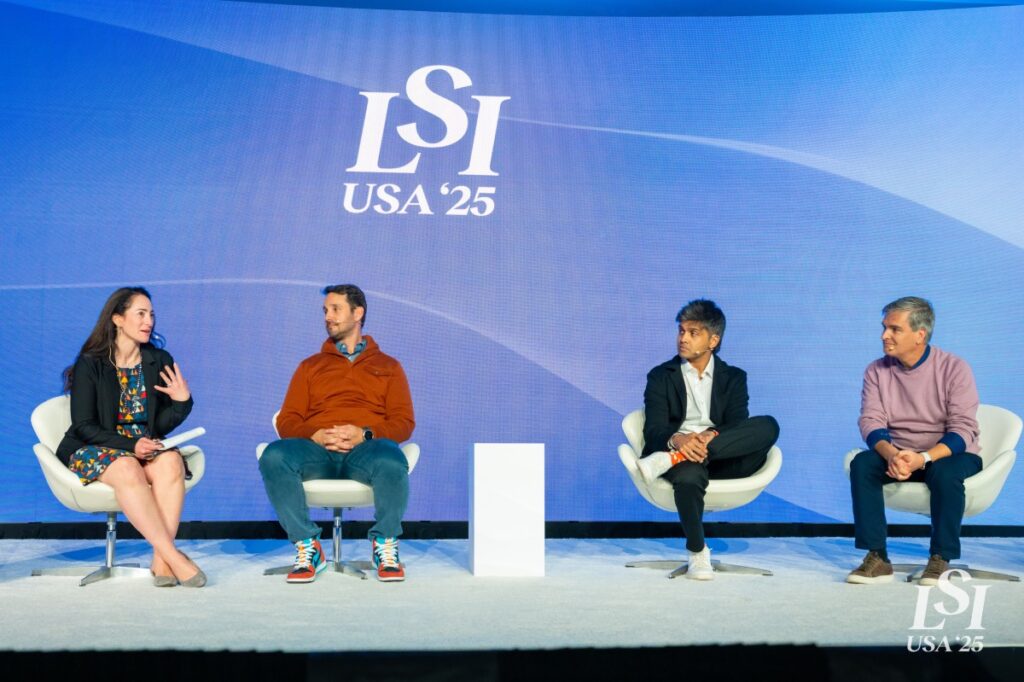
If you are building a medtech company with an eventual acquisition in mind, the most useful advice comes from the people doing the buying. At LSI USA ’26, executives from Medtronic, Edwards Lifesciences, Evercore, Vensana Capital, and EY-Parthenon laid out what separates acquisition targets from companies that stay on the watch list. This checklist distills their guidance for founders.
The panel, moderated by John Heinbigner of EY-Parthenon, included Chris Eso of Medtronic, Bennett Blau of Evercore, Greg Banker of Vensana Capital, and Chad Rice of Edwards Lifesciences. For founders still raising earlier rounds, LSI’s guide to medtech venture capital
Start with the market context. Medtech grew about 6% in 2025 with solid utilization and capital spending, yet the sector trades at a discount to the broader market, Heinbigner noted. That gap shapes both valuations and exit timing.
Checklist Item 1: Show Growth Buyers Cannot Find Elsewhere
Large strategics need growth, and there are few scaled, fast-growing public medtech companies left to buy. Blau estimated that each point of revenue growth now earns two and a half to three turns of EBITDA, versus one to one and a half before COVID. A company with a credible growth story holds unusual leverage.
It also explains why buyers are pruning slower businesses while they shop. Founders should frame their company as the kind of growth asset that improves an acquirer’s overall profile.
Checklist Item 2: Know How Your Buyer Buys
Buyers differ. Medtronic completes five or six mostly unannounced acquisitions each year alongside minority investments and structured deals, according to Eso.
Edwards Lifesciences concentrates on structural heart disease and often invests early before acquiring. Rice’s advice to founders: learn what the acquirer truly cares about and build the relationship before you need something from it.
Checklist Item 3: Tie Any AI to a Clinical Outcome
Interventional, vascular, neuro, and robotics drew the most interest. On AI, panelists agreed that the label alone adds nothing.
Eso said Medtronic wants AI attached to a therapy that improves adoption or outcomes. Rice said AI has to work within a medical device to matter to Edwards. Banker added that the AI companies attracting buyers already behave like medtech companies: FDA-regulated, used by subspecialty physicians, and built into clinical workflow.
Checklist Item 4: Pass the Three-Part Must-Buy Test
Banker’s test is simple to state and hard to meet.
Does the company solve a problem the strategic or its customers care about? Does it offer something the strategic does not already have? Does it create scarcity or competitive pressure? Fall short on any one, and the company is more likely a nice-to-have than a must-have.
Checklist item five is patience with commercialization. Rice cautioned that early revenue will expose weak quality systems, unclear cost of goods, or a fragile supply chain rather than raise value. Stabilize the base business before scaling sales.
Checklist item six is candor. Eso said buyers will uncover the truth in diligence, so founders should be upfront about what they know and what they do not. Blau added that the best deals are built on trust more than negotiation.
The Outlook for Medtech M&A
Medtronic expects to deploy upwards of $2 billion to $3 billion more over the next 12 to 18 months, Eso said. Blau sees capital moving toward healthcare as investors view it as more defensible than parts of tech and software.
The founder’s checklist, in short: research the buyer, build the relationship early, show real growth, keep your story honest, and make sure the business can survive diligence.
Key Takeaways
- Medtech valuations trail the sector’s operating fundamentals, which makes growth assets scarce and valuable.
- Buyers now pay roughly twice the pre-COVID EBITDA multiple for each point of revenue growth.
- Medtronic and Edwards Lifesciences keep buying, often through deals that are never announced.
- AI earns a premium only when it drives a measurable clinical outcome.
- Must-buy targets solve a real problem, fill a gap for the buyer, and build trust long before diligence starts.
The 2026 medtech M&A market is open to companies that are ready. Capital is available and buyers are active, but they are selective. Founders who want to be on those shortlists can meet corporate development teams in person at LSI USA ’27, March 15 to 19, 2027, in Dana Point, California.

What do you think?
Show comments / Leave a comment