


Nurturing Environments: Tips for Casual Childcare Staff

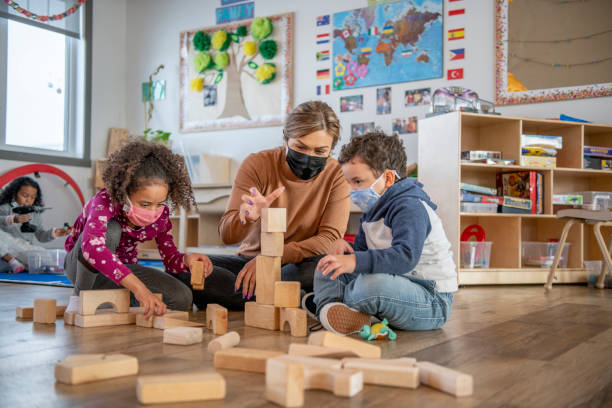
Creating nurturing environments in childcare settings is critical for the development and well-being of children. Casual childcare staff play a pivotal role in ensuring that these environments are not only safe but also conducive to learning and growth. With the right approach and strategies, temporary caregivers can significantly impact children’s daily experiences. This article provides practical tips for casual childcare staff to foster nurturing and supportive environments.
Understanding the Importance of a Nurturing Environment
A nurturing environment is more than just a safe space; it is a holistic approach that considers the emotional, physical, and cognitive needs of children. Such environments offer children the opportunity to explore, learn, and express themselves freely. To achieve this, casual childcare staff need to focus on several key areas:
- Safety and Security: Ensure that the environment is physically safe and free of hazards. Regularly check for potential risks and address them promptly.
- Emotional Support: Create a warm and welcoming atmosphere where children feel valued and understood. Offer comfort and reassurance as needed.
- Cognitive Stimulation: Provide a variety of activities that challenge and engage children, promoting their cognitive development.
Effective Communication with Children
Effective communication is fundamental in building trust and understanding with children. Here are some strategies to enhance communication:
Listening Actively
- Get down to the child’s level and maintain eye contact.
- Acknowledge their feelings and show empathy.
- Encourage children to express themselves and ask questions.
Using Positive Language
- Focus on what children can do, rather than what they cannot.
- Use positive reinforcement to encourage desired behaviors.
- Avoid negative or critical language that may discourage children.
Building Strong Relationships with Children
Fostering strong relationships with children is essential for their sense of belonging and security. Casual childcare staff can build these connections by:
- Consistency and Reliability: Be consistent in routines and responses to build trust.
- Individual Attention: Spend quality time with each child, recognizing their unique personalities and needs.
- Encouraging Independence: Support children in making choices and taking responsibility for their actions.
Encouraging Collaborative Play
Collaborative play is an important aspect of child development, promoting social skills and teamwork. Casual childcare staff can facilitate this by:
- Providing activities that require cooperation and sharing.
- Encouraging children to work together to solve problems.
- Modeling positive interactions and conflict resolution.
For more insights on the role of casual childcare staff in enhancing collaborative play, consider exploring additional resources and training opportunities.
Adapting to Different Needs and Backgrounds
Each child is unique, with different needs, backgrounds, and learning styles. Casual childcare staff should be adaptable and sensitive to these differences by:
- Recognizing and respecting cultural diversity and individual preferences.
- Being flexible in approaches to accommodate different learning styles.
- Creating inclusive activities that cater to a wide range of abilities and interests.
Conclusion
Casual childcare staff are instrumental in shaping the daily experiences of children in care. By focusing on creating nurturing environments, these professionals can foster a sense of security, growth, and happiness among children. Integrating these tips into daily practice can lead to more fulfilling experiences for both children and staff, ultimately contributing to a supportive and enriching childcare setting.

What do you think?
Show comments / Leave a comment