


Restoring Your Property After Fire Damage in Richland WA

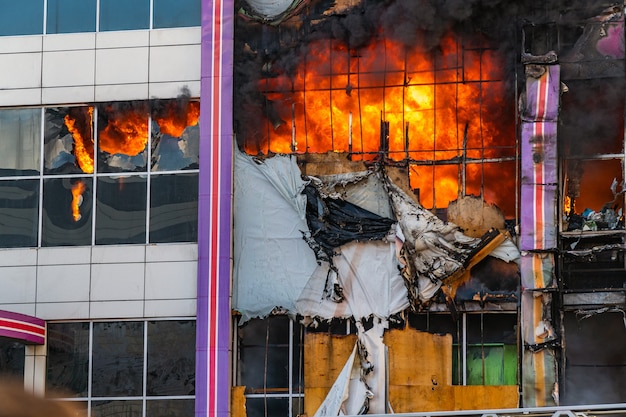
Experiencing fire damage to property is a distressing event, often leaving property owners overwhelmed with the task of restoration. In Richland, WA, the need for comprehensive and effective restoration plans is crucial. Fire damage doesn’t only affect the structural integrity of buildings but also impacts the emotional well-being of those affected. Understanding the steps involved in restoring a property after a fire can significantly ease the process and ensure the safety and health of occupants.
Initial Assessment and Safety Measures
The first step in addressing fire damage is conducting a thorough assessment to determine the extent of the damage. This includes evaluating structural damage, smoke, and soot infiltration, as well as potential water damage from firefighting efforts. Safety is paramount, and the following measures should be taken:
- Ensure the property is safe to enter. A professional should inspect the building to ascertain that it is structurally sound.
- Turn off utilities like gas, electricity, and water to prevent further damage or hazards.
- Wear protective gear such as masks and gloves to avoid inhalation of harmful particles.
Discover expert strategies for handling initial assessments and safety measures here.
Cleaning and Decontamination
Fire can leave behind soot and smoke residues that require meticulous cleaning and decontamination techniques. Effective cleaning is crucial to restore air quality and remove odors. Consider these steps:
Smoke and Soot Removal
- Use specialized equipment and cleaning agents designed for smoke and soot removal.
- Focus on cleaning all surfaces, including walls, ceilings, and floors, to prevent permanent staining and odor.
- Proper ventilation is necessary to dissipate smoke odors and enhance air circulation.
Find out more about this approach to cleaning and decontamination on this page.
Structural Repairs and Reconstruction
Once the property has been cleaned, attention turns to repairing and rebuilding any damaged structures. This phase is critical for restoring the property to its pre-fire condition:
- Assess which parts of the structure can be salvaged and which need replacement.
- Work with skilled professionals to ensure that repairs meet local building codes and standards.
- Consider incorporating fire-resistant materials in the reconstruction to enhance future safety.
Explore advanced guides and tips for structural repairs and reconstruction here.
Addressing Water Damage
Water damage is a common side effect of firefighting efforts and must be addressed promptly to prevent mold growth and further deterioration:
- Implement drying and dehumidification processes to remove moisture from the environment.
- Inspect for signs of mold and mildew and take appropriate measures to remediate them.
- Regularly monitor the humidity levels within the property to ensure optimal conditions.
Learn about tailored solutions for managing water damage here.
Final Restoration and Prevention Measures
After addressing all damage, the final phase involves restoring the property’s aesthetics and implementing preventive measures to mitigate future risks:
- Apply a fresh coat of paint and replace carpets or flooring as needed to enhance the property’s appearance.
- Install smoke detectors and fire extinguishers to bolster safety measures.
- Consider regular maintenance checks to ensure the continued safety and upkeep of the property.
Explore advanced guides and tips on final restoration and prevention measures here.
Restoring a property after fire damage in Richland, WA, involves a comprehensive approach that addresses structural, aesthetic, and preventive measures. Professional guidance and expertise can streamline this process, ensuring safety and efficiency. By understanding these critical steps and utilizing expert resources, property owners can confidently navigate the path to restoration and recovery.

What do you think?
Show comments / Leave a comment