


Simplify Irrigation Management with Remote Control Controllers

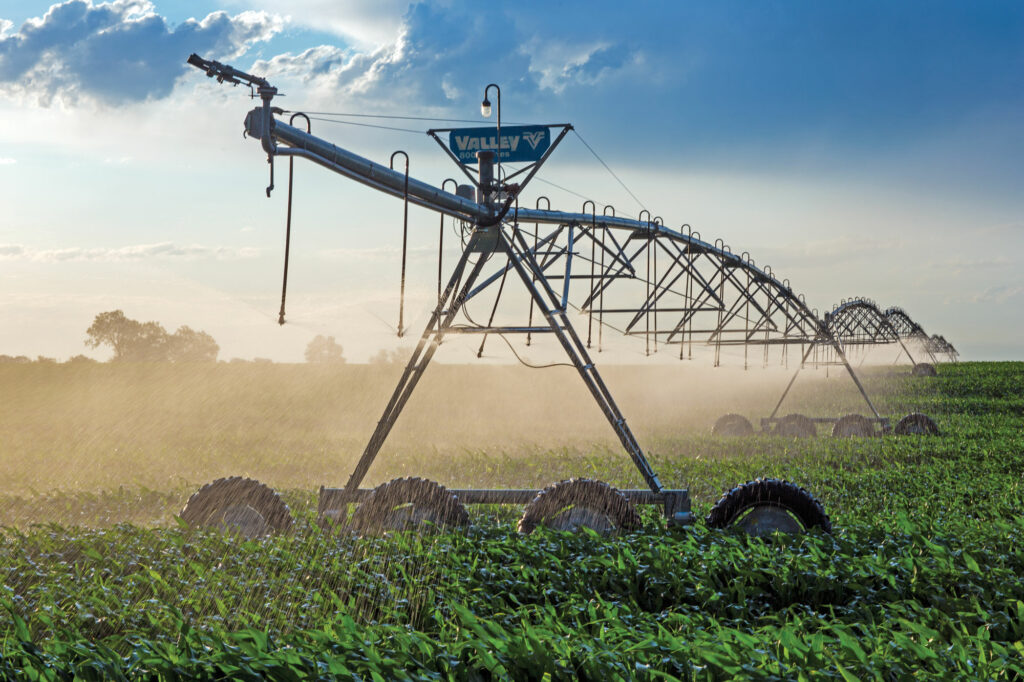
In modern agriculture, the integration of technology has become crucial for efficient farm management. Irrigation, a fundamental aspect of farming, has seen significant advancements due to remote control systems. These systems offer farmers the ability to manage water resources effectively, ensuring optimal crop growth and conserving valuable resources. By leveraging remote control controllers, farmers can maintain precise control over their irrigation systems, enhancing productivity and sustainability.
The Advantages of Remote Control Irrigation Systems
Remote control irrigation systems provide numerous benefits that make them indispensable in contemporary farming. They offer:
- Enhanced Efficiency: Automating irrigation processes minimizes water waste and ensures that crops receive the right amount of water at the right time.
- Cost Savings: Reduced water usage leads to lower utility bills, and automation decreases the need for manual labor.
- Flexibility: Manage irrigation schedules and adjustments remotely, allowing for quick responses to changing weather conditions or crop needs.
- Data-Driven Insights: Access to real-time data facilitates informed decision-making and improves overall farm management.
To delve deeper into how these systems can revolutionize your irrigation management, discover expert strategies here.
Implementing Remote Control Systems Effectively
Transitioning to remote-controlled irrigation systems involves several steps that ensure successful integration and operation.
Assessing Farm Needs
Before implementation, conduct a thorough assessment of the farm?s irrigation requirements. Consider factors such as soil type, crop variety, and local climate. Tailored solutions can be explored to address specific needs. Learn about our tailored solutions.
Choosing the Right Technology
Selecting the appropriate remote control system is critical. Evaluate different technologies and systems to find one that aligns with the farm?s operational goals. Features to consider include:
- Compatibility with existing equipment
- User-friendly interfaces
- Scalability for future expansion
For guidance on choosing the most effective systems, explore advanced guides and tips.
Optimizing Remote Irrigation Management
Once the system is in place, continuous optimization is necessary for maximizing benefits. Implementing best practices can significantly enhance performance.
Regular System Maintenance
Conduct regular inspections and maintenance to ensure the system operates efficiently. Address any technical issues promptly to prevent disruptions in irrigation schedules.
Utilizing Data Analytics
Leverage the data collected from the irrigation system to identify trends and optimize watering schedules. This data-driven approach can lead to improved crop yields and resource management. Find out more about this approach.
Conclusion
Incorporating remote control irrigation systems stands to transform agricultural practices by enhancing efficiency, reducing costs, and promoting sustainable resource use. For farmers seeking to modernize their operations and achieve greater control over their irrigation processes, exploring these innovative technologies is essential. By embracing remote control systems, farms can achieve improved productivity and sustainability, paving the way for a more resilient agricultural future.

What do you think?
Show comments / Leave a comment