


The Top Local Precision Engineering Company

Precision engineering is a cornerstone of modern manufacturing, enabling the creation of complex components with exceptional accuracy and efficiency. In recent years, the demand for precision engineering services has grown significantly across various industries, including aerospace, automotive, electronics, and medical devices. Companies specializing in precision engineering provide solutions that meet rigorous quality standards and industry-specific requirements. This article explores what makes a local precision engineering company stand out in this competitive landscape, focusing on key aspects such as technology, expertise, and quality assurance.
Advanced Technology and Equipment
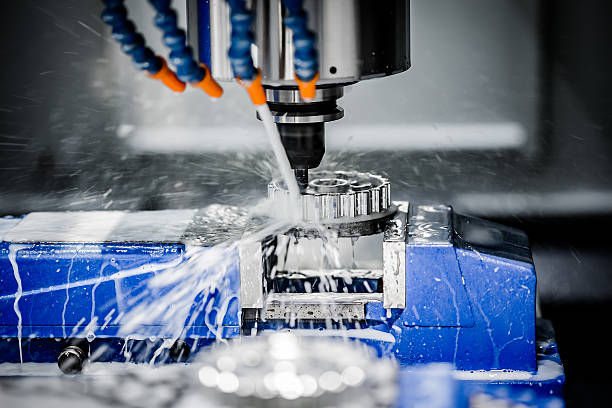
One of the defining features of a top local precision engineering company is the utilization of advanced technology and equipment. By leveraging state-of-the-art machinery, these companies can achieve high levels of precision and efficiency in their processes. Key technologies typically include:
- Computer Numerical Control (CNC) machines, which allow for automated, precise machining of components.
- Laser cutting and engraving technologies for accurate material processing.
- 3D printing capabilities for rapid prototyping and small-batch production.
These technologies enable precision engineering companies to deliver complex parts with tight tolerances and intricate geometries. Explore further insights here on how technology impacts precision engineering services.
Expertise in Various Industries
Precision engineering companies often support diverse industries, tailoring their services to meet specific sector requirements. Their expertise generally covers areas such as:
- Aerospace: Manufacturing components that meet stringent safety and performance standards.
- Automotive: Producing high-precision parts for engines, transmissions, and other critical systems.
- Medical Devices: Ensuring the reliability and accuracy of components used in medical equipment.
- Electronics: Creating intricate parts for consumer electronics and industrial applications.
Such broad expertise allows these companies to address complex challenges and deliver solutions that enhance product performance and reliability. Learn more in this detailed guide about the role of precision engineering in various industries.
Commitment to Quality Assurance
Quality Control Practices
Quality assurance is a critical component of precision engineering. Top companies implement rigorous quality control practices to ensure that each component meets the necessary specifications and standards. These practices may include:
- In-process inspections to monitor and maintain quality during production.
- Use of advanced metrology tools for precise measurements and verification.
- Compliance with international standards such as ISO 9001 for quality management systems.
By prioritizing quality assurance, precision engineering companies can reduce defects and enhance customer satisfaction. Find additional information here on quality control in precision engineering.
Customization and Collaboration
An essential aspect of a successful precision engineering company is its ability to offer customized solutions and collaborate closely with clients. This involves:
- Understanding client needs and specifications to deliver tailored solutions.
- Providing design and engineering support to optimize product functionality and manufacturability.
- Maintaining open communication channels to ensure projects remain on track and meet client expectations.
Customization and collaboration are key to developing innovative solutions that meet unique industry requirements. Read more about this topic to understand how customization plays a role in precision engineering services.
Conclusion
In conclusion, a top local precision engineering company distinguishes itself through advanced technology, industry expertise, a commitment to quality, and a focus on customization and client collaboration. These attributes enable such companies to provide high-quality, reliable solutions that meet the needs of various industries. As the demand for precision engineering continues to grow, businesses that prioritize these areas will be well-positioned to succeed and drive innovation in the manufacturing sector.

What do you think?
Show comments / Leave a comment