


Understanding Cranial Osteopathy and Its Healing Power

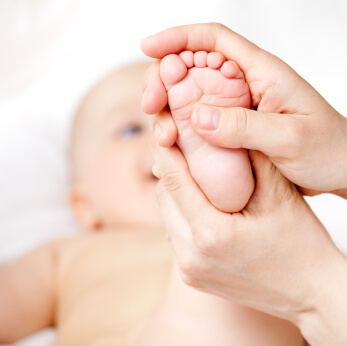
Cranial osteopathy is a refined and subtle form of osteopathic treatment that can be remarkably effective for a wide range of medical conditions. It is based on the principle that the body?s structure and its functions are interrelated, and that the body’s natural tendency is to heal itself. This form of therapy harnesses the body’s innate capacity to restore balance and health, using gentle manipulative pressure to encourage the release of stress and tension within the body. Cranial osteopathy is not limited to treating the head; it addresses the whole body, providing a holistic approach to health and wellness.
The Fundamentals of Cranial Osteopathy
Cranial osteopathy is rooted in the belief that the body is a unit, and that the interconnectivity of its parts is crucial to its overall function. This approach involves the following key principles:
- Body as a unified whole: Recognizing that the physical, emotional, and spiritual aspects of an individual are interconnected, cranial osteopathy seeks to balance these elements.
- Self-regulation and self-healing: The body has the inherent ability to heal itself, and cranial osteopathy aims to facilitate this natural process.
- Structure and function relationship: Understanding that changes in the body?s structure can affect its function, and vice versa, is central to the cranial osteopathic approach.
For those interested in comprehensively understanding these principles, it is beneficial to discover expert strategies here.
Applications and Benefits
Cranial osteopathy is versatile and can be applied to a wide range of conditions. Some of the common applications include:
- Pain relief: By addressing the root cause of pain, cranial osteopathy can provide relief from chronic pain conditions such as migraines, neck pain, and back pain.
- Stress and tension alleviation: This gentle therapy is effective in reducing stress levels and releasing tension held in the body.
- Support for systemic health: It can enhance overall health by promoting proper circulation and nerve function.
- Pediatric care: Cranial osteopathy is particularly beneficial for infants and children, helping with issues such as colic, sleep disturbances, and developmental challenges.
To learn about our tailored solutions for specific conditions, further exploration is encouraged.
The Healing Process
What to Expect During a Session
A typical cranial osteopathy session involves a thorough assessment of the patient?s medical history and current health concerns. During treatment, the practitioner uses their hands to detect subtle movements and apply gentle pressure to areas of the body. This promotes the release of tension and supports the body’s natural healing processes.
Post-Treatment Considerations
Following a session, patients often experience a sense of deep relaxation and well-being. Some may notice immediate improvements in their symptoms, while for others, the benefits may become more apparent over time. It is important to allow the body time to adjust and integrate the changes facilitated by the treatment.
For those interested in delving deeper into the healing journey facilitated by cranial osteopathy, explore advanced guides and tips available through expert resources.
Why Consider Cranial Osteopathy?
Cranial osteopathy offers a unique pathway to health that prioritizes gentle, holistic intervention. It is particularly appealing for those seeking non-invasive treatments that align with the body’s natural healing mechanisms. The therapy?s gentle approach makes it suitable for individuals of all ages, including newborns and the elderly.
To find out more about this approach and how it can be integrated into a comprehensive health strategy, accessing professional insights is recommended.

What do you think?
Show comments / Leave a comment