


Best Camps for Preschoolers to Boost Their Skills

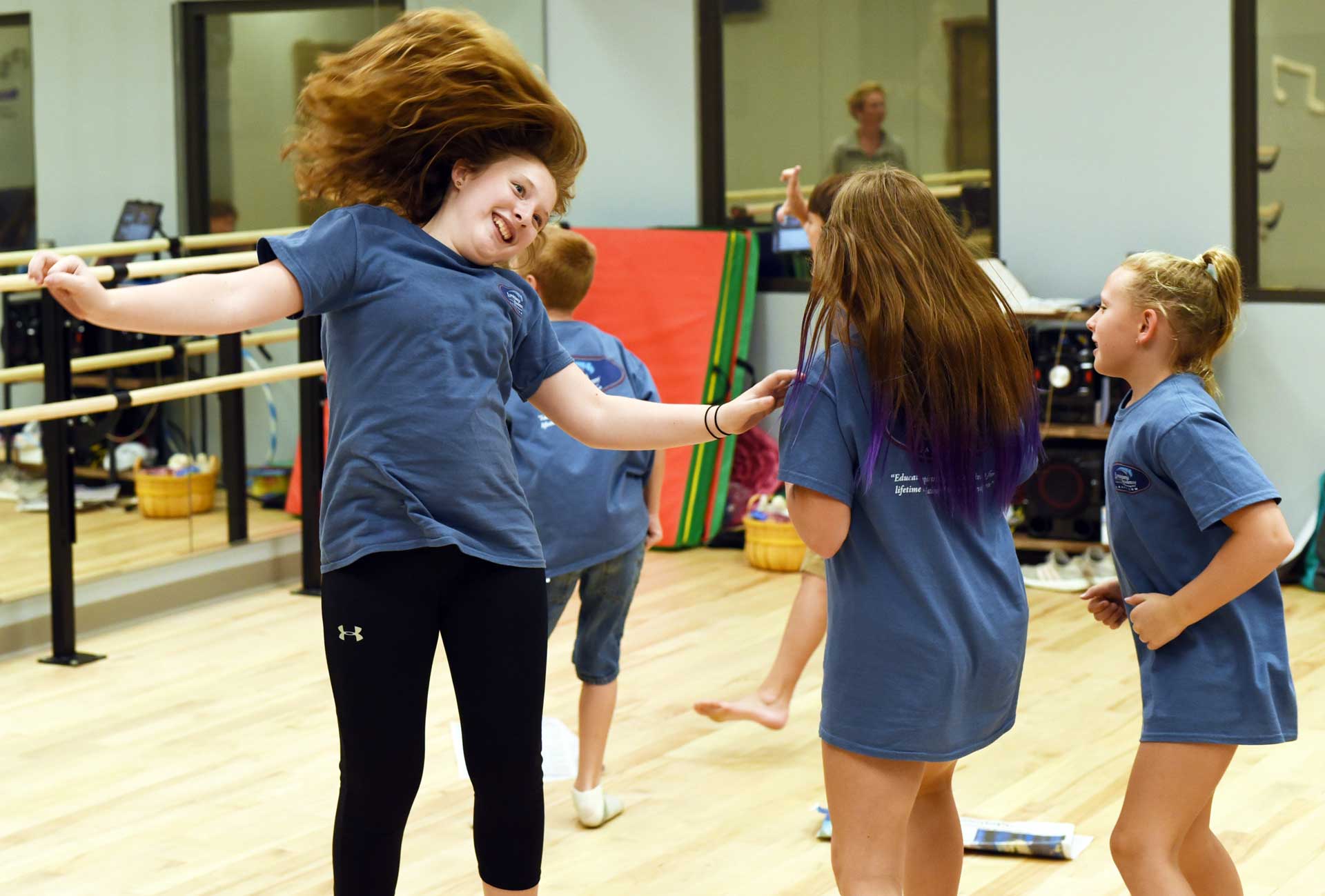
Choosing the right summer camp for a preschooler can feel overwhelming, yet the right environment can lay the groundwork for lifelong learning, confidence, and social skills. Early childhood camps that blend play with purposeful activities give young children the chance to explore new interests, develop motor abilities, and practice teamwork in a safe, nurturing setting. This guide highlights the best types of camps for preschoolers and outlines key features that help boost essential skills during these formative years.
Why Specialized Preschool Camps Matter
Preschool-aged children thrive when learning is embedded in fun, hands-on experiences. Camps designed specifically for this age group focus on:
- Developing fine and gross motor skills through movement, arts, and outdoor play.
- Encouraging language growth with storytelling, songs, and interactive dialogue.
- Fostering social competence by guiding children through sharing, turn-taking, and conflict resolution.
- Introducing early problem-solving concepts in a low-pressure environment.
When these elements are combined, children return home with increased confidence and a stronger foundation for kindergarten readiness.
Top Camp Categories for Skill-Boosting
1. Creative Arts Camps
Art, music, and drama camps let preschoolers express themselves while refining hand-eye coordination and auditory discrimination. Look for programs that offer:
- Daily art projects using safe, non-toxic materials.
- Simple musical instruments and rhythm games.
- Age-appropriate drama exercises that encourage imagination.
These activities nurture creativity and improve fine motor control, essential for later writing skills.
2. Nature Exploration Camps
Outdoor camps that incorporate nature walks, gardening, and basic ecology teach children about the environment while enhancing gross motor abilities. Key components include:
- Guided hikes with scavenger hunts.
- Hands-on gardening projects that involve planting and watering.
- Interactive lessons about insects, plants, and weather.
Such experiences also promote curiosity and observational skills, laying the groundwork for scientific thinking.
3. Movement & Sports Camps
Physical activity camps focus on coordination, balance, and teamwork. Ideal programs feature:
- Structured games that teach rules and fair play.
- Obstacle courses designed for small bodies.
- Basic introductions to sports like soccer, gymnastics, or swimming.
Regular movement not only strengthens muscles but also improves attention span and self-regulation.
Essential Features to Look For
When evaluating a preschool camp, consider the following criteria to ensure a high-quality experience:
- Qualified Staff: Instructors should have early-childhood education credentials and background-check clearance.
- Low Child-to-Adult Ratios: Smaller groups allow for individualized attention and safer supervision.
- Structured Yet Flexible Schedule: A balance of guided activities and free play supports both learning and creativity.
- Safety Protocols: Clear emergency procedures, child-proofed facilities, and health-screening policies are non-negotiable.
- Parental Communication: Daily updates, photos, or brief reports keep families informed of progress.
Integrating Learning at Home
Camp experiences are most effective when reinforced at home. Parents can:
- Display artwork or projects from camp in a dedicated “gallery” space.
- Practice new songs or movement routines together.
- Ask open-ended questions about nature discoveries or storylines.
These simple actions extend the camp’s impact and deepen skill retention.
Finding the Right Camp
Researching local options and reading reviews can narrow the field, but a proven resource for tailored preschool programs is available online. Discover expert strategies here to evaluate curriculum quality, staff expertise, and safety standards. Additionally, many camps provide virtual tours or sample classes, giving families a glimpse of daily routines before committing.
Sample Weekly Schedule
A balanced preschool camp day might look like this:
- 9:00 am – Arrival & Welcome Circle: Greeting song and brief overview of the day.
- 9:30 am – Creative Station: Painting, clay modeling, or musical exploration.
- 10:30 am – Snack Break: Healthy snack and hydration.
- 11:00 am – Outdoor Adventure: Nature walk, garden care, or simple sports.
- 12:00 pm – Lunch & Rest: Quiet time with storybooks.
- 1:00 pm – Group Project: Collaborative building or drama activity.
- 2:00 pm – Free Play & Reflection: Child-chosen activities followed by a short sharing circle.
- 3:00 pm – Dismissal: Parents receive a brief recap of highlights.
Conclusion
Preschool camps that blend creativity, nature, and movement provide a powerful platform for skill development. By selecting programs with qualified staff, low ratios, and a curriculum that aligns with early learning goals, parents can ensure their children return home excited, capable, and ready for the next academic step. For additional guidance on choosing the perfect camp, Learn about our tailored solutions and explore resources that simplify the decision-making process.
Ready to take the next step? Explore advanced guides and tips to make an informed choice and set the stage for a memorable, growth-focused summer.

What do you think?
Show comments / Leave a comment