


Church Stage Lighting Solutions for a Vibrant Worship Experience

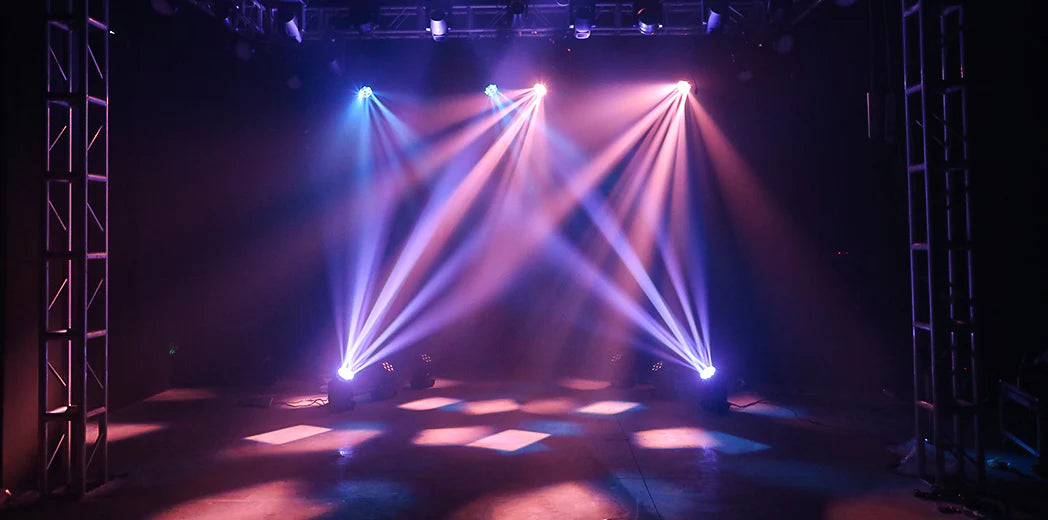
Creating a worship environment that inspires and engages congregants goes beyond music and sermon preparation; the visual atmosphere plays a pivotal role. Thoughtfully designed stage lighting can highlight key moments, set the emotional tone, and make the sanctuary feel alive. This article explores practical lighting strategies, technology options, and design principles that help churches achieve a dynamic worship experience while maintaining reverence and clarity.
Understanding the Fundamentals of Worship Lighting
Before selecting fixtures, it’s essential to grasp the basic concepts that influence how light interacts with a worship space.
- Intensity: Adjusts the brightness to match the mood, from soft candle-like glows to powerful bursts for celebratory moments.
- Color Temperature: Warm whites (2700-3000 K) convey intimacy, while cooler whites (5000-6000 K) emphasize clarity and focus.
- Direction & Beam Angle: Determines how light spreads across the stage, affecting shadows and depth.
- Control Systems: DMX, Ethernet, or wireless consoles enable precise, programmable changes during services.
Key Lighting Solutions for Different Worship Scenarios
1. Traditional Liturgical Services
For services that prioritize solemnity and tradition, subtle illumination is paramount. Consider using low-profile floodlights with warm gels, and integrate accent lighting on the altar or pulpit.
- Soft wash lights that mimic natural daylight.
- Gobo projectors for subtle patterns (e.g., stained-glass motifs).
- Dim-to-dark transitions for moments of prayer or reflection.
2. Contemporary Praise & Worship
Modern worship often incorporates dynamic visual elements. led stage lighting offers flexibility, energy efficiency, and a broad color palette that can be synchronized with music.
- Moving heads for sweeping beams and spot effects.
- LED strips along the stage edge for ambient color washes.
- Strobe and pixel-mapping for special celebrations.
3. Multimedia-Heavy Services
When video screens and live streaming are central, lighting must avoid flicker and maintain consistent color rendering. High CRI (Color Rendering Index) fixtures ensure that on-screen visuals appear true-to-life.
- LED panels with DMX dimming for smooth fades.
- Back-lighting for performers to separate them from the screen.
- Controlled spotlights that follow speakers without casting shadows on cameras.
Designing a Cohesive Lighting Plan
A successful lighting design aligns with the church’s architectural style, worship format, and budget. The following checklist helps streamline the planning process.
- Assess the Space: Measure ceiling height, existing fixtures, and power availability.
- Define Objectives: Identify moments that need emphasis, e.g., communion, altar call, or celebratory songs.
- Choose Fixtures: Balance fixed washes with programmable moving units.
- Map Control Zones: Group lights by function (ambient, accent, effect) for intuitive console operation.
- Test & Refine: Conduct rehearsals, gather feedback, and adjust focus, color, and timing.
Practical Tips for Installation and Maintenance
- Mount fixtures securely using rated hardware; consider adjustable brackets for future re-aiming.
- Run dedicated circuits to avoid overload and ensure reliable dimming.
- Label all DMX addresses and create a documentation sheet for quick troubleshooting.
- Schedule regular cleaning of lenses and filters to maintain light output.
- Invest in a backup power source (UPS) for critical control consoles.
Integrating Lighting with Worship Technology
Modern worship environments often blend sound, video, and lighting into a unified experience. Using a central show-control system can synchronize stage lights with audio cues, video playback, and even live-stream overlays. This integration reduces manual operation and ensures consistent timing across all media.
Budget-Friendly Approaches Without Compromising Quality
Even churches with modest budgets can achieve professional results by prioritizing versatile equipment and smart design choices.
- Start with a core set of LED wash lights; they can double as spotlights with proper lenses.
- Utilize refurbished fixtures from reputable vendors.
- Leverage community volunteers for programming; many free DMX software options are available.
- Phase upgrades, begin with ambient lighting, then add effects as needs evolve.
Future-Proofing Your Lighting Investment
Technology evolves rapidly, but a well-planned system can adapt. Choose fixtures that support both DMX and newer protocols like sACN or Art-Net, and opt for modular control consoles that allow firmware updates. This ensures the lighting infrastructure remains relevant as worship styles shift.
Conclusion
Effective church lighting is a blend of art, technology, and theology. By understanding core lighting principles, selecting the right fixtures, such as church lighting solutions, and integrating them thoughtfully with other worship elements, congregations can experience a vibrant, immersive worship environment that enhances both reverence and celebration.

What do you think?
Show comments / Leave a comment