


Enhancing Patient Care with Medical Imaging Services

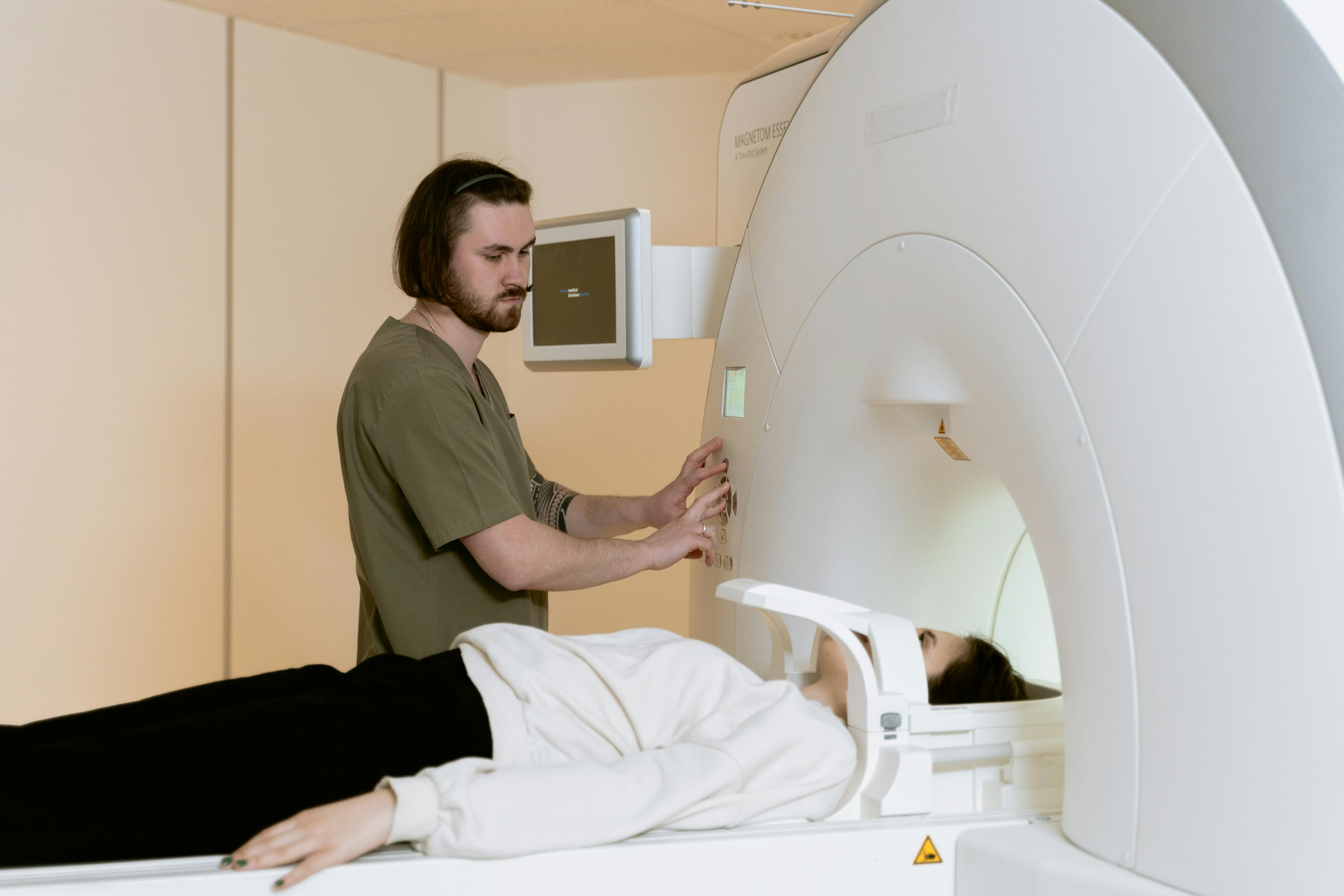
In the rapidly evolving field of healthcare, the integration of medical imaging services is becoming increasingly vital for enhancing patient care. These advanced technologies provide healthcare professionals with the detailed insights required to make accurate diagnoses and formulate effective treatment plans. As medical imaging continues to advance, the emphasis on precision, safety, and patient comfort remains at the forefront of healthcare innovation.
The Role of Medical Imaging in Modern Healthcare
Medical imaging has transformed how healthcare providers diagnose and manage various medical conditions. By offering a non-invasive means to visualize the internal structures of the body, imaging technologies enable early detection and monitoring of diseases, leading to improved patient outcomes.
Key Benefits of Medical Imaging
- Accurate Diagnosis: Imaging technologies such as MRI, CT scans, and X-rays provide detailed views, facilitating precise diagnosis of complex conditions.
- Early Detection: Techniques like nuclear medicine imaging allow for the early detection of diseases, even before symptoms manifest.
- Guided Treatment: Imaging guides surgical procedures and other treatments, improving their success rates and reducing recovery times.
- Non-Invasive: Many imaging techniques are non-invasive, reducing the need for exploratory surgery.
- Comprehensive Monitoring: Regular scans help in monitoring the progression of diseases and the effectiveness of treatments.
Advancements in Imaging Technologies
The field of medical imaging is continuously evolving, with new technologies enhancing the capabilities of healthcare providers. High-resolution imaging, 3D reconstruction, and the integration of artificial intelligence are some of the advancements transforming patient care.
Innovative Imaging Techniques
- Digital Imaging: Digital radiology allows for the storage and sharing of images, facilitating better patient management and collaboration among healthcare providers.
- 3D Imaging: Techniques such as 3D mammography provide a more comprehensive view, improving the accuracy of breast cancer screenings.
- AI Integration: Artificial intelligence aids in the analysis of imaging data, enhancing the accuracy and speed of diagnoses.
- Functional Imaging: Nuclear medicine scans and other functional imaging techniques provide insights into the physiological processes of the body.
Choosing the Right Imaging Service
When selecting a medical imaging provider, several factors need consideration to ensure quality care. Facilities offering advanced diagnostic imaging should be equipped with state-of-the-art technology and staffed by experienced professionals.
Considerations for Selecting Imaging Services
- Accreditation: Ensure the facility is accredited and complies with industry standards for safety and quality.
- Technology: Opt for facilities that utilize the latest imaging technologies for accurate and efficient service delivery.
- Expertise: The staff should consist of trained radiologists and technicians with extensive experience.
- Patient Comfort: A patient-centered approach focusing on comfort and care is essential.
- Comprehensive Services: Facilities offering a range of services, including radiology imaging services and radiological imaging services, provide the flexibility needed for different diagnostic needs.
The Future of Medical Imaging
The future of medical imaging holds promising advancements, with ongoing research and development aimed at further improving the precision and efficacy of imaging techniques. The integration of technologies like machine learning and personalized medicine is expected to revolutionize healthcare delivery.
As the demand for medical imaging services grows, the emphasis on patient-centered care, coupled with technological innovations, will continue to drive improvements in diagnosis and treatment, ultimately enhancing patient outcomes and quality of life.

What do you think?
Show comments / Leave a comment