


Ensuring Rooftop Solar Installation Success

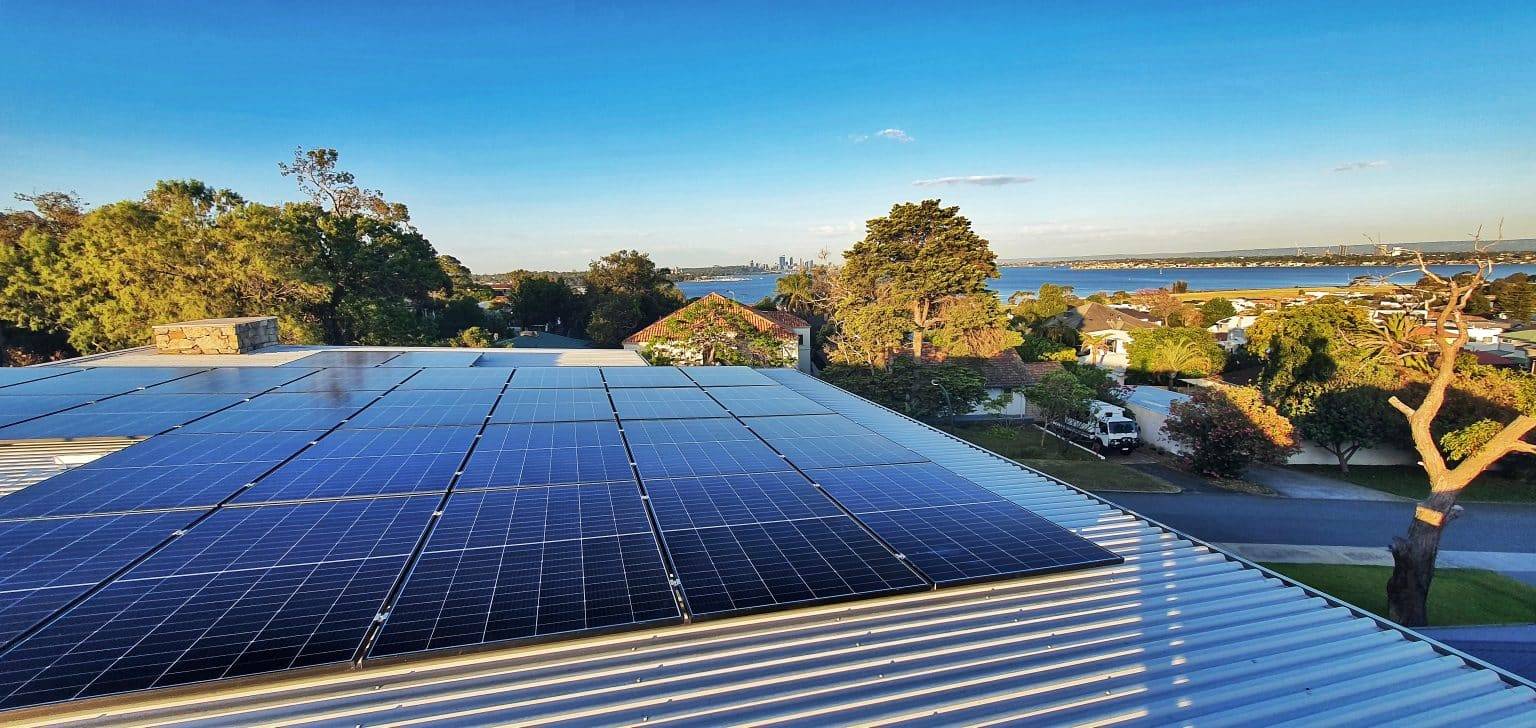
The adoption of rooftop solar panels is increasingly popular as individuals and businesses seek sustainable energy solutions. However, ensuring a successful installation requires careful planning and consideration. This article explores the key steps and considerations involved in achieving a successful rooftop solar installation, providing insights into what one should focus on for optimal results. With the right approach, solar energy can become a reliable and efficient power source for any property.
Understanding Your Energy Needs
Before embarking on a solar installation project, it’s crucial to understand your energy requirements. This involves assessing your current energy consumption and identifying potential areas for energy savings. Consider the following:
- Analyze past utility bills to gauge average energy usage.
- Identify peak consumption periods and energy-intensive appliances.
- Consider future energy needs, such as plans for home expansion or electric vehicle charging.
Understanding these factors helps in determining the size and capacity of the solar panel system needed. Read more about this topic to make informed decisions on your energy requirements.
Site Assessment and Feasibility
Conducting a thorough site assessment is essential to ensure the feasibility of rooftop solar installation. Key factors to consider include:
- Roof Condition: Ensure the roof is structurally sound and capable of supporting solar panels.
- Orientation and Tilt: The roof should ideally face the sun to maximize energy capture.
- Shading: Identify any potential obstructions like trees or buildings that may cast shadows on the panels.
- Local Regulations: Check for any zoning laws or regulations that might affect installation.
Learn more in this detailed guide about factors that influence the feasibility of solar installations on residential and commercial properties.
Selecting the Right Equipment
The choice of solar equipment significantly impacts the efficiency and longevity of the system. Considerations should include:
- Panel Type: Decide between monocrystalline, polycrystalline, or thin-film panels based on efficiency and budget.
- Inverter Options: Choose between string inverters, microinverters, or power optimizers.
- Mounting Systems: Select mounting hardware that is compatible with your roof type and climate conditions.
- Battery Storage: Consider adding a solar battery system for energy storage and backup.
Explore further insights here on selecting solar equipment that aligns with your energy goals and budget.
Installation and Maintenance
Professional Installation
Hiring experienced professionals to install the solar system is vital. They ensure that all components are correctly installed and comply with safety standards. Look for certified installers with a track record of successful installations.
Regular Maintenance
Routine maintenance is essential to keep the solar system functioning optimally. This includes:
- Regular cleaning of panels to remove dust and debris.
- Periodic inspection of electrical components for wear and tear.
- Monitoring system performance to identify and rectify issues promptly.
For more information on maintaining your solar system effectively, find additional information here.
Conclusion
A successful rooftop solar installation requires a comprehensive approach from understanding energy needs to selecting the right equipment and ensuring proper installation and maintenance. By following these guidelines and seeking professional advice when necessary, the transition to solar energy can be seamless and rewarding. Solar energy not only offers a sustainable solution but also contributes to significant cost savings over time. Embrace the power of the sun to achieve energy independence and sustainability.

What do you think?
Show comments / Leave a comment