


Expert Tips for Efficient Irrigation System Installation

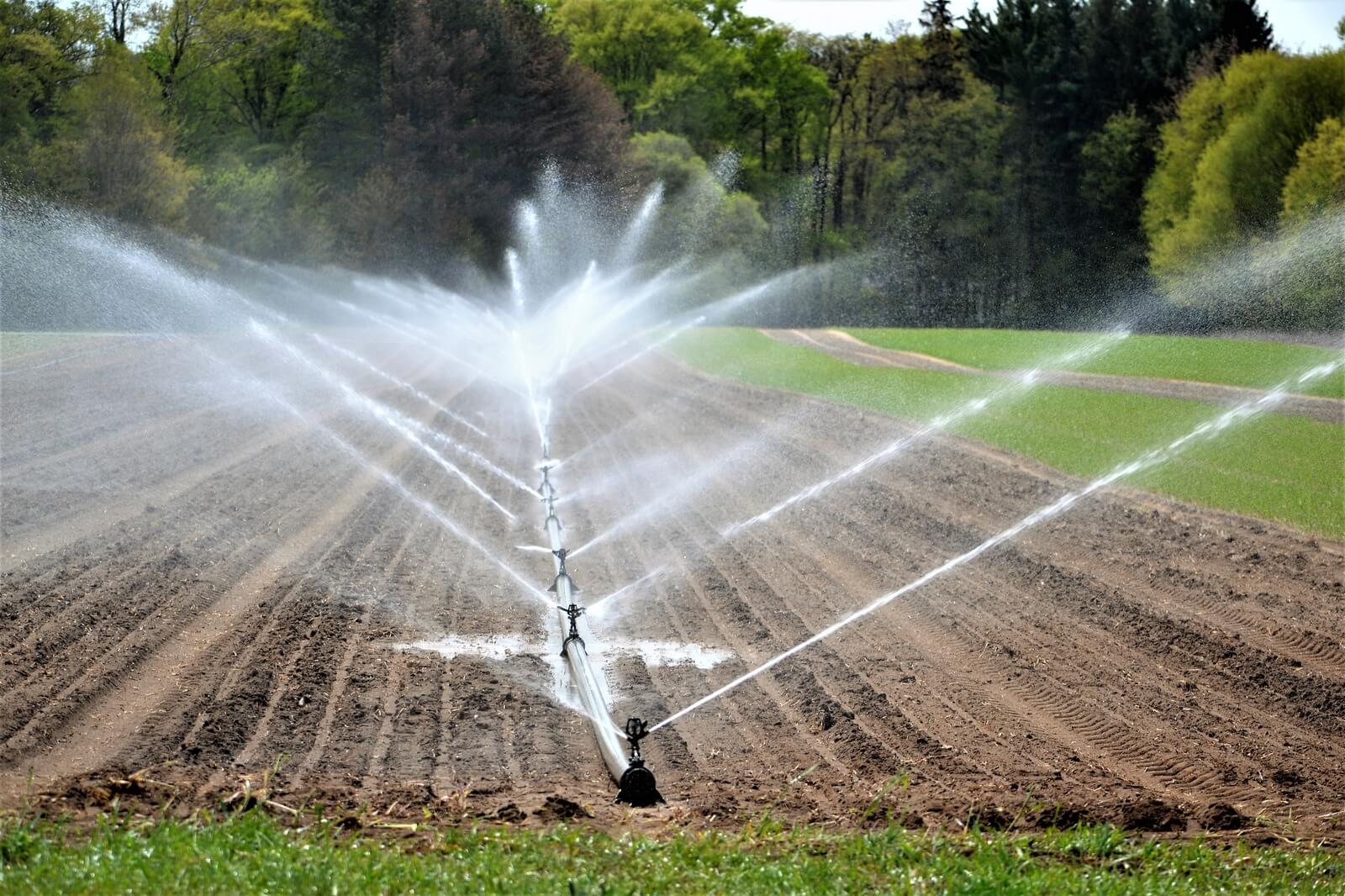
Installing an efficient irrigation system is essential for maintaining healthy landscapes and optimizing water usage. A well-designed system ensures that plants receive the right amount of water at the appropriate times, reducing wastage and promoting growth. The process of installation requires careful planning and execution, and understanding the nuances can significantly influence the system’s effectiveness. This article outlines expert tips to guide through the process, helping to achieve an efficient and sustainable irrigation setup.
Planning and Design
Proper planning and design are critical steps in irrigation system installation. Consider the following factors:
- Assess the landscape: Analyze the terrain, soil type, and plant types to determine the water requirements and the best irrigation method.
- Water source and pressure: Ensure the water source can provide adequate pressure and volume for the intended system.
- System layout: Plan the layout to maximize coverage and minimize runoff and pooling.
- Scalability: Design the system to allow future expansions or modifications.
Choosing the Right Components
Selecting the appropriate components is essential for the system’s efficiency and longevity. Consider these options:
- Smart irrigation systems: These systems utilize sensors and weather data to optimize watering schedules, enhancing efficiency and conservation.
- Drip irrigation vs. sprinkler systems: Choose based on the landscape needs. Drip systems are ideal for gardens and individual plants, while sprinklers suit larger areas.
- Pipes and fittings: Use durable materials like PVC or polyethylene to ensure reliability and reduce maintenance.
Installation Techniques
Implementing effective construction irrigation solutions involves several key techniques:
- Trenching: Ensure trenches are deep enough to protect pipes from surface damage but not too deep to complicate maintenance.
- Pipe installation: Lay pipes with a slight slope to aid drainage and prevent standing water.
- Valve placement: Position valves in accessible locations for easy operation and maintenance.
Testing and Adjustments
After installation, thorough testing and adjustments are necessary to ensure the system functions optimally:
- Pressure testing: Check for leaks and ensure consistent pressure throughout the system.
- Coverage testing: Verify that all areas receive adequate water, adjusting heads and nozzles as needed.
- Program controllers: Set timers and schedules to align with plant needs and local weather conditions.
Maintenance and Sustainability
Regular maintenance is crucial for maintaining the efficiency of the system. Consider these practices:
- Seasonal adjustments: Modify watering schedules based on seasonal changes to prevent over or under-watering.
- Inspection and repair: Regularly check for leaks, clogs, and broken components, addressing issues promptly.
- Upgrade options: Explore new technologies and methods to enhance system efficiency and sustainability.
Access to professional irrigation services can further optimize system performance and longevity.
Conclusion
Efficient irrigation system installation combines careful planning, the right component selection, and diligent maintenance. By following expert tips and leveraging advanced technologies such as smart irrigation systems, it’s possible to create a sustainable and effective watering solution that conserves resources and supports thriving landscapes.

What do you think?
Show comments / Leave a comment